

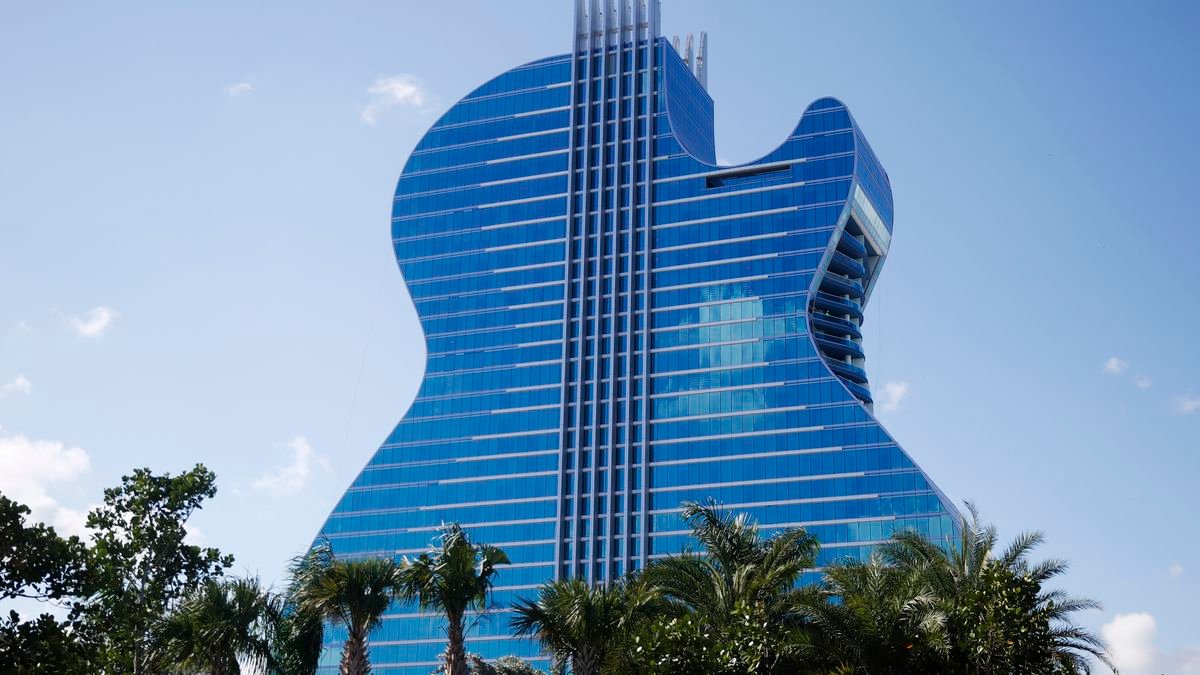
TALLAHASSEE — Online sports betting in Florida is here to stay for now, with the Seminole Tribe of Florida owning it after the U.S. Supreme Court on Monday rejected a challenge to a gambling compact negotiated by the tribe and the state.
The Seminole Tribe’s monopoly on online sports betting would bring in hundreds of millions of dollars a year for both the tribe and the state, much of which Gov. Ron DeSantis and the Florida Legislature have earmarked for environmental protection efforts.
“The Seminole Tribe of Florida applauds the U.S. Supreme Court’s decision today to decline to hear a case involving the tribe’s gaming compact with the state of Florida,” tribe spokesman Gary Bitner said in an email to The Times/Herald on Monday. “This means the Seminole Tribe and all Floridians can look forward to the bright future made possible by the compact.”
Gambling companies West Flagler Associates and Bonita Fort Myers Inc. have challenged the state’s negotiated gambling compact with the tribe as a violation of the federal Indian Gaming Regulatory Act, arguing that gambling must take place on tribal lands. While the servers and other electronic devices that take wagers are on tribal lands, the 2021 compact at issue allows Floridians to place wagers from anywhere in the state.
“Thus, the compact expressly authorizes tribes to offer online sports betting to persons residing outside Indian reservations and ‘deems’ such betting to be treated as if it were conducted ‘exclusively’ on Indian reservations,” reads the companies’ petition, filed Feb. 8 with the U.S. Supreme Court.
The companies filed their arguments in U.S. District Court in Washington, D.C., which ruled in their favor on November 22, 2021. However, the U.S. Court of Appeals for the District of Columbia Circuit overturned the ruling last summer and upheld the validity of the agreement. The Supreme Court’s decision not to hear the case means that the appeals court’s decision will stand.
But for West Flagler and Bonita-Fort Myers, the fight may not be over yet.
The companies took the matter to the US Supreme Court, as well as the Florida Supreme Court, last year. In March, the Florida Supreme Court dismissed the case on technical grounds. The companies could eventually challenge it again, perhaps by going all the way to the Supreme Court.
“Our client does not wish to comment and has therefore not responded to media requests,” West Flagler attorney Raquel A. Rodriguez said in an email Monday.
Betting and profits
In addition to online sports betting, the 2021 agreement allows Seminole to expand gambling to include in-person sports betting, craps and roulette at its six casinos in Florida. The company’s two largest casinos are Seminole Hard Rock Hotel & Casino Hollywood and Seminole Hard Rock Hotel & Casino Tampa. Broward County has two casinos: Seminole Casino Coconut Creek and Seminole Classic Casino in Hollywood.
Floridians who want to place sports bets online can do so through the Hard Rock Bet website or phone application.
/cloudfront-us-east-1.images.arcpublishing.com/tbt/3ZG7PKPGXZHMNE76F7AGCEZ5DA.jpg "Catch up on top stories before rush hour")
Catch up on the top news before rush hour
Become a Times subscriber and receive our afternoon newsletter, “The Rundown.”
Every week we bring you Tampa Bay’s biggest environmental, political, business, education and cultural news.
You’re signed up!
Want more of our free weekly newsletter delivered to your inbox? let’s start.
Explore all options
Though the compact was signed three years ago, competition under its jurisdiction only began in earnest last December. (Online sports betting was available briefly in late 2021.) In January, the tribes began making monthly payments to the state under the compact, with the most recent payment coming in on Monday. In the six-month period from December through May, the tribes paid more than $357 million to the state.
Investing much of the compact’s funds in environmental protections was a priority for Senate President Catherine Passidomo, a Naples Republican, and a bill passed this year and signed by Gov. DeSantis in early April made that priority a reality.
The SB 1638 bill allocated $379 million from revenue-sharing agreements in the budget passed this year to environmental projects.
These projects include:
- $100 Million to Acquire Land for Florida Wildlife Corridor
- $100 million for non-wetland upland management and invasive species removal
- $100 Million for Resilient Florida Grant Program to Help Protect Florida Communities from Storms and Floods
- $79 million for the state’s Water Quality Improvement Grant Program
Senate spokeswoman Katie Betta said the water quality program’s budget is expected to be even higher than the $79 million in future years.
“Today’s action ensures that Floridians can continue to gamble while ensuring those funds are dedicated to protecting Florida’s environment,” said Republican Sen. Travis Hutson of St. Augustine, who introduced both the original 2021 bill that became the gambling compact and this year’s bill that would allocate much of the funds to environmental projects.
Last week, Gov. DeSantis cited the tribes’ agreements when he rejected more than $200 million in state-funded water improvement projects.
DeSantis said he doesn’t oppose the projects but would prefer that localities apply for them through a state grant program. He said the projects would be funded by tribes with at least $500 million in funding.
“We may end up with more than that because there’s a lot of funding coming in,” DeSantis said, “so all needs will be met.”
Times/Herald Tallahassee bureau reporter Lawrence Mower contributed to this report.
