

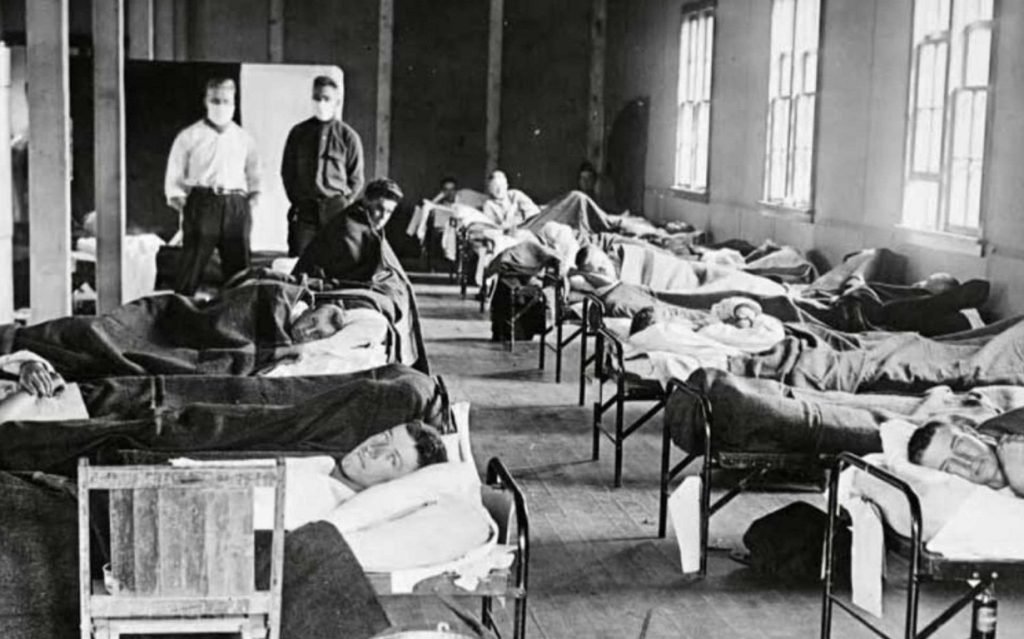
1. COVID-19 (Coronavirus): 2020-early 2024
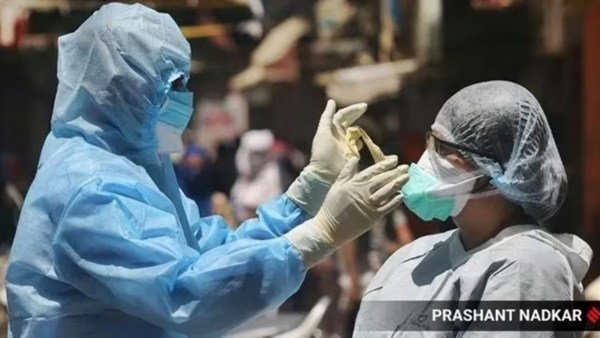

COVID-19, caused by the SARS-CoV-2 virus that originated in Wuhan, China and spread across the world, has emerged as a global pandemic and has had a major impact on India, where millions have been infected and killed, and the health system has been overwhelmed at times. Economic disruption, lockdowns and social distancing measures have affected daily life and the economy.
- response:
- Mass vaccinationRapid development and distribution of a vaccine and a large-scale vaccination campaign to achieve population immunity.
- Lockdown and social distancingStrict lockdowns, social distancing measures and mask-wearing mandates will be implemented to curb the spread of the virus.
- Strengthening HealthcareExpanding medical facilities, setting up COVID-19 care centers, and ramping up production of medical supplies such as oxygen and ventilators.
- Public consciousnessConduct extensive public health campaigns to promote hygiene, vaccination and preventive measures through various media channels.
2. Avian influenza (bird flu): 2019, 2024
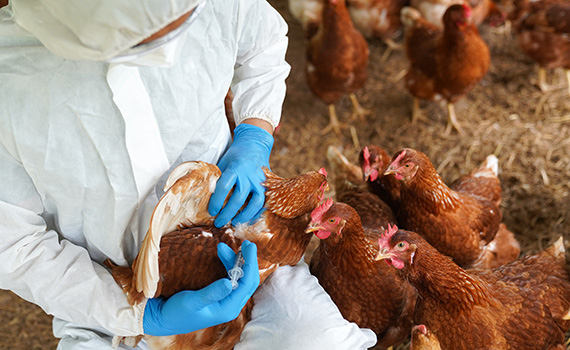

Various strains, especially H5N1 and H5N8, have caused multiple outbreaks of avian influenza affecting mainly poultry but occasionally humans as well. This has led to mass culling of poultry to prevent the spread of infection, economic losses to the poultry industry, and health risks associated with human infection. WHO has also confirmed a human case of avian influenza infection caused by the H9N2 virus in a four-year-old child in West Bengal, India. This is the second case recorded in India after the first reported case in 2019.


- response:
- Monitoring and removalRegular monitoring of poultry farms and wild birds, prompt reporting of outbreaks, and culling of infected birds to contain the virus.
- Biosecurity measuresStrict biosecurity protocols are implemented at poultry farms to prevent the introduction and spread of the virus.
- Public consciousness: Educated farmers and the public about the symptoms of avian influenza and the importance of promptly reporting sick or dead birds.
3. Nipah virus: 2018
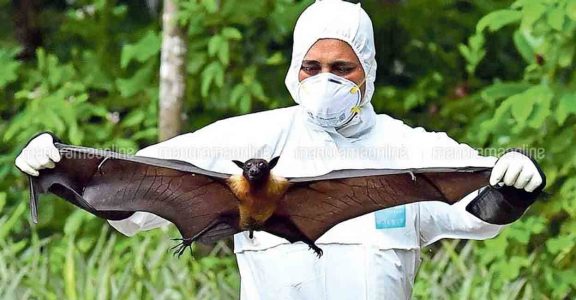

The Nipah virus is Zoonotic Pathogens It is a virus that is transmitted from animals to humans. The first confirmed outbreak occurred in Malaysia and has also affected Singapore, where most human infections were linked to direct contact with diseased pigs. In subsequent outbreaks in Bangladesh and India, ingestion of fruits and fruit products contaminated with urine or saliva of infected fruit bats is thought to be the main source of infection. The virus has previously emerged several times, most recently in Kerala in 2018, causing severe respiratory infections and fatal encephalitis with a high mortality rate according to the World Health Organization (WHO), ranging from 40% to 75%, making it a major public health concern.
- response:
- AdjustmentSeveral central multi-disciplinary teams have been mobilised to assist state and district administrations in containment and mitigation measures.
- Surveillance and contact tracingActive door-to-door surveillance was conducted in containment zones. High-risk contacts were identified and isolated, and ongoing follow-up training, movement restrictions, social distancing and mandatory wearing of masks in public places were implemented.
- Lab Test: Laboratory tests of suspected cases, environmental and animal samples were carried out in various laboratories.
Four. Encephalitis: 2017
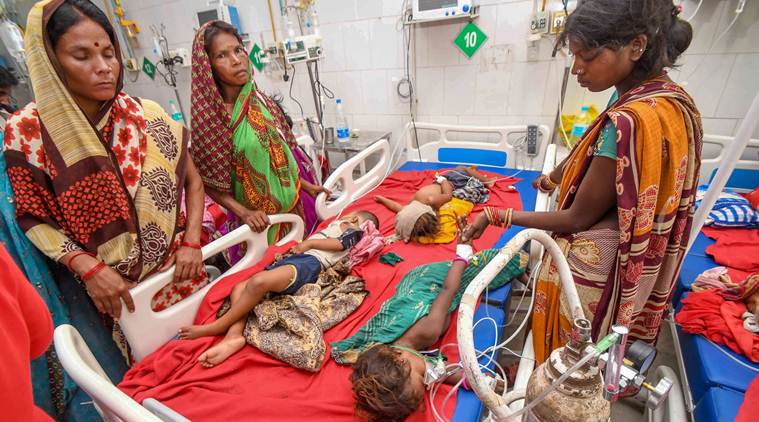

Mosquito-borne viral brain infections, which can cause severe neurological illness, especially in children, have been reported repeatedly in states such as Uttar Pradesh (Gorakhpur in 2017) and Bihar (Muzaffarpur in 2019), with an increasing number of cases of encephalitis, particularly among children, resulting in the deaths of several. Japanese encephalitis (JE) and Acute Encephalitis Syndrome (AES)It is primarily contracted by mosquito bites and can cause inflammation of the brain, long-term disability and even death.
- response:
- vaccination: Carry out mass vaccination campaigns to protect children and reduce disease incidence, especially in high-risk areas.
- Mosquito control: Measures to reduce mosquito populations, such as spraying and removing breeding sites.
- Healthcare Infrastructure: Improvement of medical facilities for early diagnosis and treatment, including supportive care for affected people.
5. H1N1 Influenza (Swine Flu): 2014-2015
.jpg)


Global epidemic H1N1 influenza Known as swine flu, the virus has affected many countries, including India. The most affected states were Gujarat, Rajasthan, Delhi, Maharashtra, and Telangana. According to a report by the Indian Ministry of Health, at least 12,963 cases and 31 deaths were reported in India in February 2015, and by March 2015, approximately 33,000 cases and 2,000 deaths were reported nationwide, prompting the Indian government to launch a public awareness campaign.
- response:
- vaccinationDistribution of H1N1 vaccines to protect vulnerable populations.
- Public health measures: Increased surveillance, isolation of infected individuals, and public health recommendations to limit the spread of the virus.
- Treatment ProtocolUse of antiviral drugs and setting up special influenza clinics for the management and treatment of infected patients.
6. Dengue fever: 1996 to present
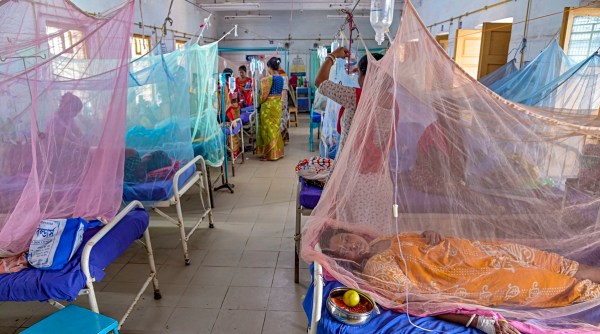

Dengue fever, or dengue shock syndrome, is transmitted by the Aedes aegypti mosquito and first appeared in India in 1996, mainly in and around Delhi. Dengue virus type 2 Detection of dengue virus by viral culture and indirect fluorescent antibody testing using type-specific monoclonal antibodies suggests a resurgence in dengue virus infections. Since then, dengue virus has caused recurrent epidemics, especially during the monsoon season, infecting an estimated 100-400 million people annually (WHO). Although many dengue infections are asymptomatic or cause only mild symptoms, dengue virus can occasionally lead to more severe cases and deaths, highlighting the importance of sustained public health efforts to combat this serious public health threat.
- response:
- Mosquito controlEliminating mosquito breeding sites through spraying, use of insecticides and community clean-up activities.
- Public consciousnessA campaign to educate the public about prevention measures, symptoms and the importance of avoiding mosquito bites.
- health careStrengthening health facilities to manage dengue cases, including providing supportive care such as hydration and monitoring for severe cases.
7. Smallpox: 1974


Smallpox, a highly contagious and deadly viral disease, is responsible for an average of three deaths in every 10 people infected, according to the CDC. Smallpox was caused by two virus variants. smallpox Selection subjects and smallpoxSmallpox has a history of epidemics around the world, and it is not clear when it was first identified in India. However, according to the University of Michigan, in the early 1960s, 60% of smallpox cases worldwide were reported in India, where this strain of the virus appears to have been more contagious. The World Health Organization began planning a massive campaign to eradicate smallpox around the world, and it was officially eradicated in 1980, as confirmed by the WHO.
- response:
- Mass vaccinationIntensive vaccination campaigns under the World Health Organization’s Smallpox Eradication Initiative are now reaching remote areas.
- Surveillance and Containment: Identification and isolation of cases, and ring vaccination strategies to contain outbreaks.
- Public health campaigns: Educate the public on the importance of vaccination and case reporting to ensure widespread compliance.
8. Influenza (Hong Kong flu): 1968–1970
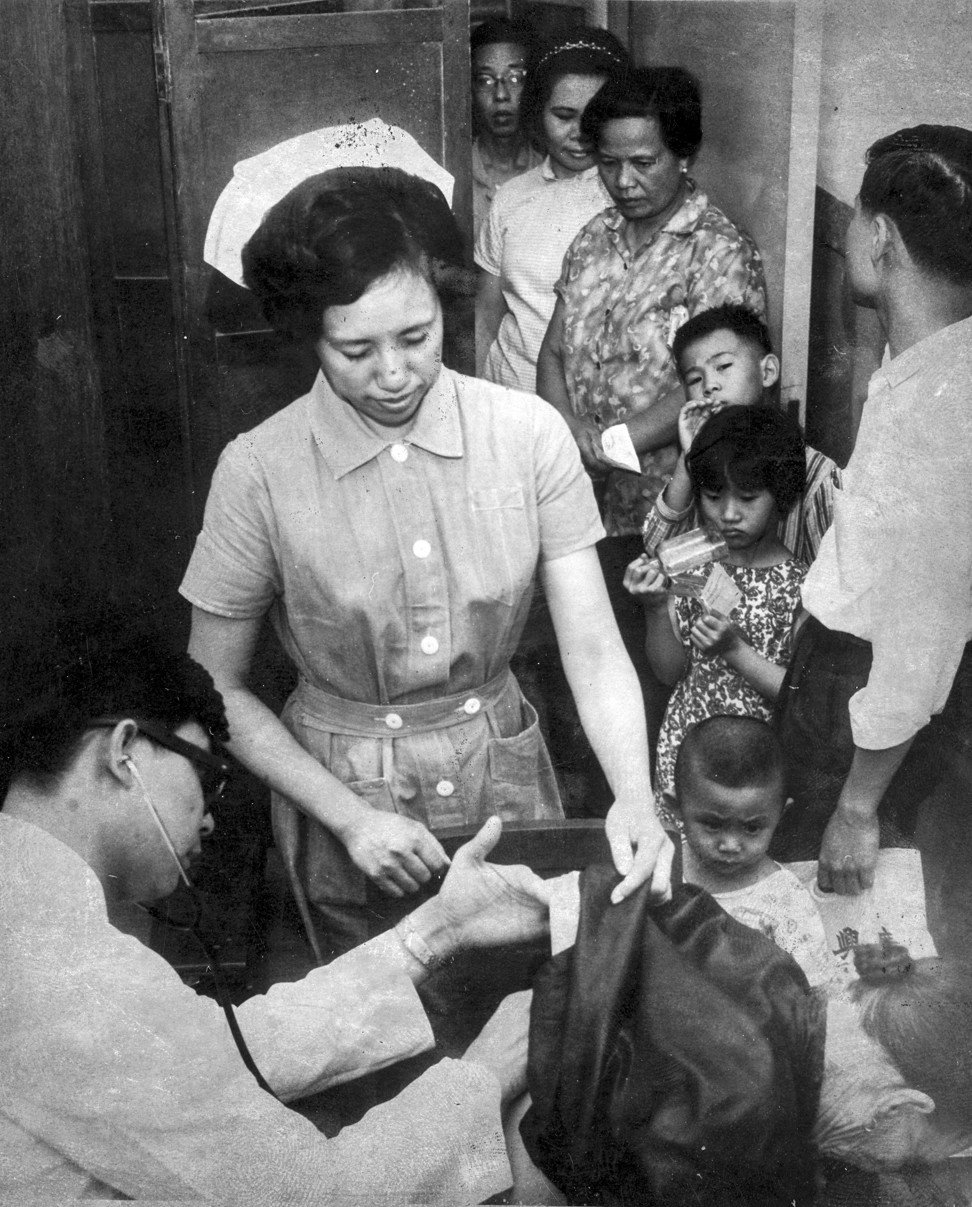

Influenza is a highly contagious and deadly virus H3N2 The influenza pandemic originated in Hong Kong in July 1968 and spread worldwide, causing approximately 1 to 4 million deaths worldwide. Also known as influenza pandemic, the virus is a descendant of the A(H2N2) influenza virus that caused the Asian influenza pandemic.
-
response:
- Vaccination campaignsConduct a national influenza vaccination campaign, including a seasonal vaccination programme, to ensure high coverage and immunity.
- MonitoringActive surveillance to rapidly detect and respond to influenza outbreaks.
- Public health responseIt is working with international organizations, including the World Health Organization and the Centers for Disease Control and Prevention (CDC), to develop and distribute a vaccine.
9. Cholera: 1961–1975
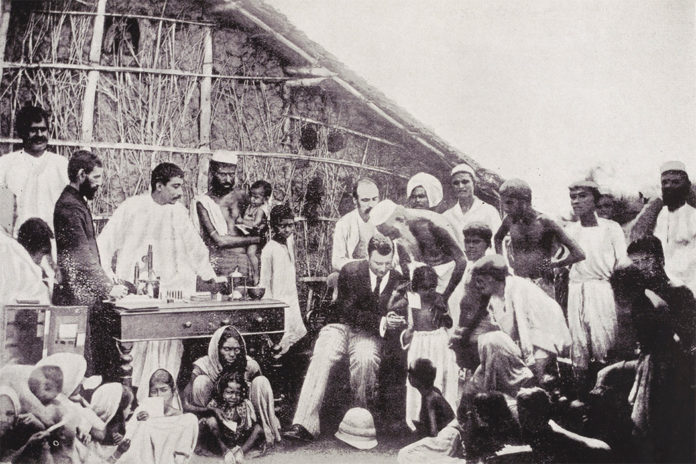

Cholera bacteriaThe bacterium Vibrio cholerae has caused seven cholera pandemics since 1817. In 1961, the El Tor strain of Vibrio cholerae emerged in Makassar, Indonesia, causing the seventh cholera pandemic. Within five years, the virus had spread to other parts of Southeast and South Asia, reaching Bangladesh in 1963 and India in 1964. In India, researchers have observed in academic papers that Kolkata’s climate, location in the Ganges delta, and poor water sanitation practices make it a breeding ground for cholera, and this pandemic was no exception.
- response:
- Water and SanitationImproved water quality and sanitation infrastructure, including the provision of clean drinking water.
- Public health measuresEducation on hygiene practices, such as hand washing and safe food handling, to prevent the spread of cholera.
- Medical Response: Rehydration and antibiotic treatment centres for management and treatment of infected individuals.
Ten. Spanish Flu: 1918-1920
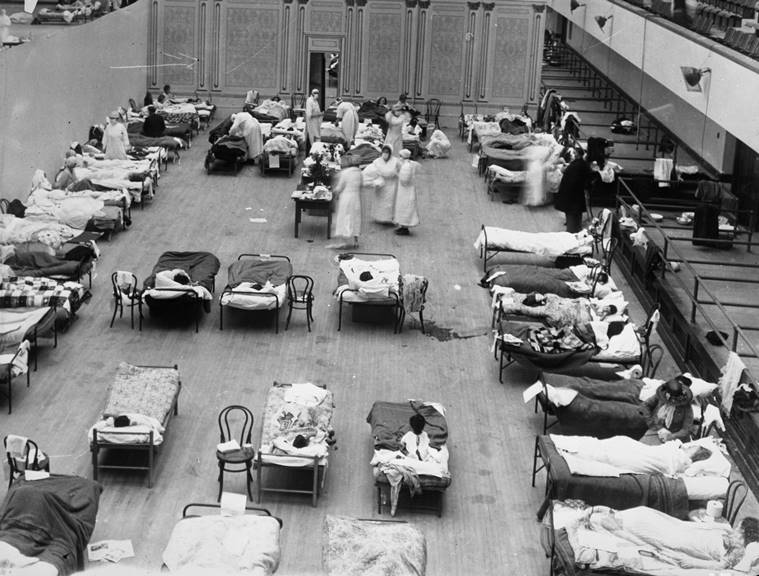

During the 1918 influenza pandemic, deadly Avian influenzaInfluenza, also known as the Spanish Flu, had a severe impact on India and other parts of the world. There are conflicting reports on the global death toll from the disease, but researchers estimate the death toll to be more than 50 million. In India, it is believed that around 10 to 20 million people lost their lives to the Spanish Flu, which was brought by Indian soldiers who served in World War I. Records show that throughout the pandemic, information about the dangers of the disease was spread through official government channels and word of mouth.
- response:
- Limited medical interventionThe death toll rose due to a lack of medical resources and limitations of the public health infrastructure at the time.
- Public health measures: Isolation of patients, mandatory quarantine and social distancing, travel restrictions
- Long-term effects: Highlighted the need for improvements to public health systems and infrastructure, leading to advances in responding to future outbreaks.
These outbreaks have had a major impact on public health policy and practice in India, leading to strengthened surveillance and vaccination programs, and an overall improvement in health infrastructure to better manage and prevent future outbreaks.
