

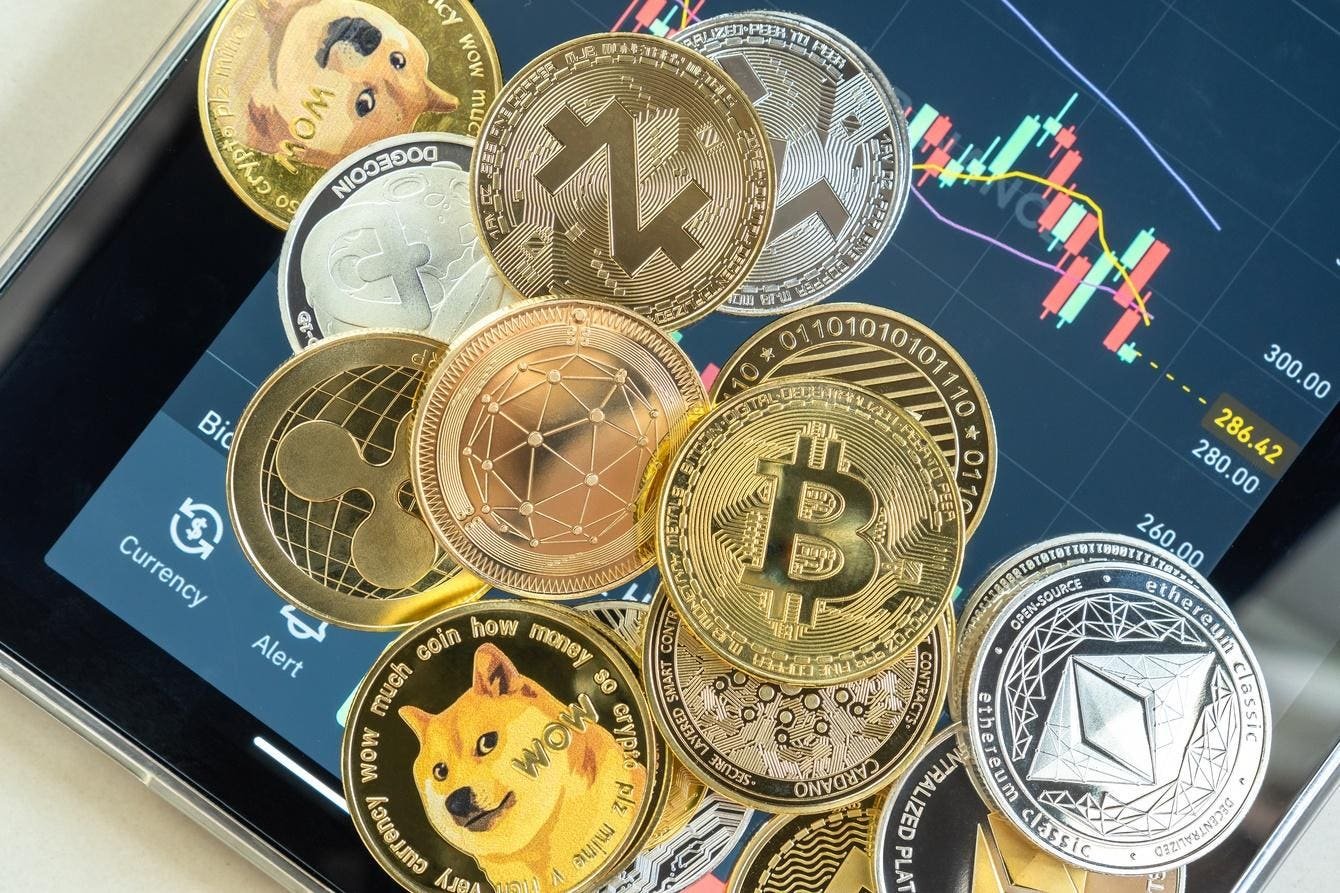
Bitcoin BTC, Altcoin Digital Coin Cryptocurrency, BNB, Ethereum, Dogecoin, Cardano, Defi P2P … [+]
Cryptocurrencies, such as Bitcoin, have emerged as a profitable financial asset class.
Bitcoin
But navigating this burgeoning market can be difficult. The amount of information about cryptocurrency online is overwhelming for both new and seasoned investors. Plus, the complex jargon surrounding cryptocurrency can be confusing. Recognizing this problem, Ryan Lowman, CEO of digital asset fund Kenson Investments, said, “We recognized a market need to simplify cryptocurrency investing for everyone, from the wealthy to the average person. We developed a straightforward onboarding process that minimizes unnecessary financial loss through trial and error, allowing investors to easily navigate the complex world of cryptocurrency with confidence.”
The current state of cryptocurrencies
In the world of cryptocurrencies, digital assets include cryptocurrencies and crypto tokens. Cryptocurrencies such as Bitcoin (BTC) and Ethereum are
Ethereum
Litecoin
Cardano
Polka dot pattern
Dogecoin
Regulatory developments and institutional demands
The U.S. Securities and Exchange Commission (SEC) approval of 12 spot Bitcoin exchange-traded funds (ETFs) and the recent green light for an Ethereum ETF (which has yet to launch) have significantly increased the credibility and accessibility of these leading cryptocurrencies. This regulatory approval and ETF offerings by major asset managers have sparked an explosive rise in Bitcoin, altcoins, and meme coins, creating a surge across the cryptocurrency world. Investors can now seamlessly invest in Bitcoin, and soon Ethereum, through these ETFs using their existing brokerage accounts, while avoiding the complexities of buying, storing, and warehousing digital assets directly. However, investing in altcoins and meme coins requires leaving the familiar TradeFi investment platform and navigating an unknown framework of cryptocurrency exchanges, cryptocurrency wallets, gas fees, and other technical complexities that have deterred many investors.
Cryptocurrency investment challenges and evaluation framework
Investing in cryptocurrencies presents unique challenges compared to investing in traditional securities. Stock and bond investors benefit from an established framework for comprehensive analysis and valuation, supported by detailed research reports from Wall Street firms, extensive financial and business disclosures by public companies in SEC filings, quarterly financial reports, conference calls with executives providing business updates and outlook, and other sources of information. Additionally, asset prices rely on standardized financial metrics and ratios and benefit from decades of historical market data for benchmarking and analysis.
In contrast, the cryptocurrency market lacks many of these resources and practices. Cryptocurrency projects often have limited operational history and scarce financial data, and their value is driven by technological advancements, adoption rates, network activity, regulatory news, and market sentiment. Valuation methodologies are still evolving, there are no universally accepted standards, and different approaches and understanding of blockchain technology and market trends are required. However, these challenges also offer the potential for significant long-term rewards, mirroring the huge gains realized by early investors in the pioneering Web2 companies that shaped the development of the Internet.
Dogecoin meme coin placed in the center of a stack of cryptocurrency coins on a blue background.
Risks associated with altcoins and meme coins
While investing in fast-growing, innovative cryptocurrencies is appealing, investors should be keenly aware of the risks inherent to altcoins and meme coins. These investments are often characterized by extreme volatility, with prices fluctuating dramatically over short periods of time. Additionally, the regulatory environment for cryptocurrencies is in flux, further increasing uncertainty and potential challenges for investors. Due to the lack of regulation and the ease with which new tokens can be created, the altcoin and meme coin markets are particularly vulnerable to fraud and scams, including rug-pulling, where bad actors launch projects with the sole purpose of deceiving investors and stealing their funds. Investors should conduct thorough research and carefully evaluate the inherent risks, unique characteristics, practical applications, and potential challenges associated with each cryptocurrency. It is paramount to exercise caution and discernment when considering investing in these highly speculative and volatile asset markets.
Cryptocurrency Analysis
A huge benefit of cryptocurrencies is that all user data, transactions, and network activity are available live on the public blockchain. This transparency allows anyone to analyze cryptocurrency projects in real time, giving investors unprecedented insight and the ability to make up-to-date, data-driven investment decisions. By combining qualitative and quantitative analysis, investors can gain a more comprehensive understanding of cryptocurrency’s potential and make informed investment decisions that fit their financial goals and risk tolerance.
Qualitative Analysis Evaluate factors such as:
- The reliability and experience of our team and developers
- Project foundation and core technology innovation
- Tokenomics, including token utility, distribution, inflation rate, and alignment with stakeholder interests
- Major partners and competitors in the market
- Potential catalysts and risks, including regulatory developments
- Strong project community and social media presence and engagement
Quantitative analysis It relies on measurable metrics such as:
- Daily Active Users (DAU): A high and growing DAU indicates a successful and valuable crypto project. As more users join the network, the overall value also increases.
- Total Value Locked (TVL): Specifically relevant to DeFi projects, TVL sheds light on the adoption and growth of a project within the DeFi space.
- Fees: The significant fees generated by a project demonstrate that users are willing to pay for cryptocurrency products, indicating that it is a sustainable and viable business model.
- Market Cap (MC) and Price: Market cap indicates the total value of a crypto project, but should be used for comparison and not as an absolute valuation. A high market cap may indicate stability, while a low market cap may suggest high growth potential and higher risk.
- Number of active users and wallets: These metrics indicate the project’s user base, its potential for further growth, and the number of unique addresses interacting with the project.
- The token’s circulating supply, total supply, and maximum supply: Understanding these key details is crucial in assessing the token’s economics and potential for value appreciation.
Analytical process and resources: Platforms such as Token Terminal provide real-time data on cryptocurrency metrics. Evaluate the health and potential of your project by comparing DAU, fees, and market cap with similar projects. Assess long-term trends and growth prospects. Other valuable resources include Defi Llama, Token Unlocks, Messari, and Chainalysis, which also provide comprehensive data, and some offer paid services.
Meanwhile, Kenson Investments offers a strong, strategic approach to those looking to invest in digital assets, with an emphasis on diversification and risk management. The company employs a variety of investment strategies, allocating funds across Bitcoin, altcoins, NFTs, DeFi protocols and stablecoins, while tailoring its strategy to the specific growth stage of the asset to maximize returns and effectively manage risk.
Their approach includes regular updates and transparent communication to ensure clients have full visibility into their portfolio performance. This method minimizes volatility, optimizes long-term growth potential, and continually identifies high-potential opportunities that could generate significant returns for their clients.
In addition to investment management, Kenson Investments also places emphasis on client education through the Kenson Academy, providing in-depth tutorials on digital asset investing, blockchain technology, risk mitigation and market volatility management. By providing these educational tools, Kenson helps clients gain a deeper understanding of the markets and make informed investment decisions. This comprehensive approach helps investors navigate the complexities of the digital asset environment and achieve long-term financial success.
The growing popularity of cryptocurrencies has created hundreds of millions of new users and a massive influx of investors eager to explore this exciting and rapidly evolving market. While the cryptocurrency landscape may seem complex and daunting at first, especially to those accustomed to traditional investment frameworks, it is important to realize that all new high-growth markets have similar challenges in their early stages.
Navigating this digital frontier requires insight, a solid risk management strategy, and an unwavering commitment to due diligence. As the cryptocurrency market matures and gains mainstream acceptance, smart investors who equip themselves with knowledge, diversify their portfolios, and maintain a long-term perspective will be poised to capitalize on the vast opportunities and reap significant financial rewards in this transformative, technology-driven investment environment.
