

Reverend Mareo Johnson
Growing up in Tulsa, I was aware of the inequities in healthcare across the country and learned that not all communities had the same resources and access. From that perspective, learning more about children dying from preventable diseases around the world sparked my passion for global vaccine equity.
“We must do all we can to break down the barriers of disadvantage and limited access to important medical care. No matter where you live in the world, people deserve to have the tools to live a healthy lifestyle. That’s why global immunization is important to me.”
In the United States, distrust of government fuels the anti-vaccine movement. However, vaccines are developed to protect us from disease and infection and have proven safe and effective over time. Global vaccination would save many lives and is my argument and driving force behind this issue.
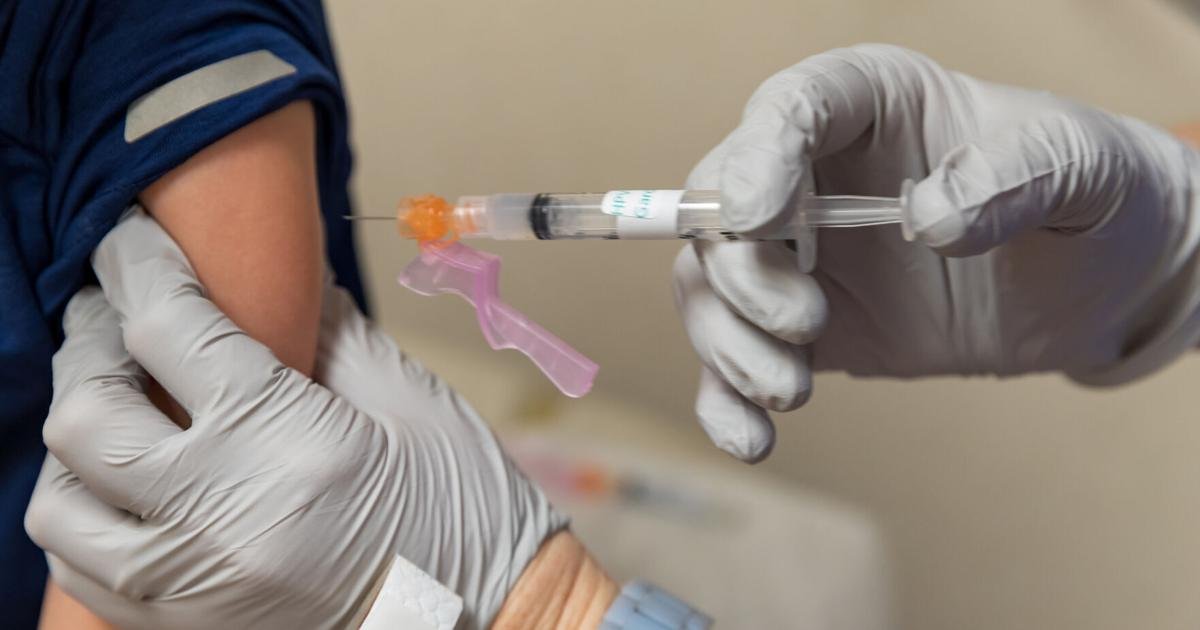
The U.S. Centers for Disease Control and Prevention says childhood vaccinations, including those for measles, rubella, tetanus and hepatitis B, prevent 4 million deaths worldwide each year. Between 2021 and 2030, global immunization could prevent more than 50 million deaths.
Anyone else reading this…
Think about those numbers: it’s incredible that something as simple as a vaccine can save so many lives, yet so many children lack access to this basic care.
The World Health Organization found that 14.3 million children worldwide are unvaccinated, an improvement from a high of 18.3 million during the COVID-19 outbreak but still below the 12.9 million recorded in 2019 before the pandemic. This equates to roughly one in five children worldwide missing out on these essential vaccines.
Many of the babies and young children who cannot receive life-saving vaccines live in war-torn countries and poor areas. Imagine a world in which the number of children who cannot receive vaccines was halved or eliminated altogether.
It is a tragedy that so many children around the world die because they lack access to vaccinations.
In the United States, we have done a pretty good job, through health departments and primary care physicians, to ensure that all children who are medically able to receive the vaccine are vaccinated before they start school.
Vaccines are important because young children are more susceptible to infections and diseases, and their immune systems are well developed and can fight off infections such as pneumonia.
Americans are fortunate to have access to vaccines to protect their children, but we cannot let our guard down in keeping vaccination rates high.
It also helps that all states have laws requiring certain vaccinations in schools, including for measles, rubella, mumps, diphtheria, tetanus, and pertussis (DTaP), polio, and chickenpox.
Before the pandemic, the national pre-kindergarten coverage rate for these vaccines was consistently 95% for decades, then dropped to 93% for the 2022-23 school year, according to the National Conference of State Legislatures. The rate varies by state from 81% to 98%, meaning about 250,000 pre-kindergarten children are missing the MMR vaccine.
Oklahoma has the third-highest rate of vaccination exemptions (4.7%) for students entering kindergarten, according to a CDC report released last year. The CDC said exemption rates above 5% increase the risk of vaccine-preventable disease outbreaks. The state allows medical exemptions approved by a licensed physician and also allows parents to fill out a form for religious or philosophical exemptions.
While aiming to maintain a high vaccination rate domestically, it is also necessary to take into consideration improving vaccination rates overseas.
If we have the capacity and resources to save lives, it should be our duty to do so. I encourage people to save lives by getting vaccinated and to tell their local, state and federal leaders to prioritize funding for childhood vaccinations across the country and around the world.
Rev. Mareo Johnson is the founder and pastor of Seeking the Kingdom Ministries, president of the United Nations Association of Eastern Oklahoma, founder and executive director of the Tulsa chapter of Black Lives Matter, and advocate for shot@life, a grassroots movement promoting global vaccine equity.
