

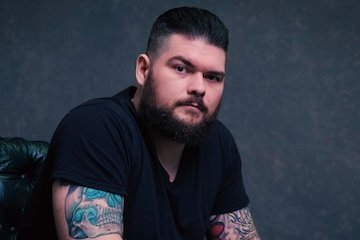
Corey Wilkes is a clinical psychologist turned business coach who helps entrepreneurs and creatives improve their mindset and overcome self-imposed obstacles. He says that a common obstacle is overthinking a problem. Other obstacles can be perfectionism, doubt, or fear.
In a recent conversation, he talked about those mental hurdles and more. The full audio is embedded below. The transcript has been edited for clarity and length.
Eric Bandholz: Tell our listeners who you are.
Corey Wilkes: I’m a Licensed Clinical Psychologist specializing in Cognitive Behavioral Therapy to help people overcome unhealthy thinking. I currently coach entrepreneurs and creatives to build lives and businesses that align with their values and overcome the beliefs that hold them back.
I’ve written a lot of articles on my own website and for Psychology Today, and I’ve also appeared on a few well-known podcasts.
Early on, I was coached by Ali Abdal. He’s a productivity expert, YouTuber, and entrepreneur. He put out a 45-minute video about the eight things he struggled with in life and business. It was exactly what I’m helping people with, so I dropped everything and wrote an article about how to tackle his struggles in one day.
I posted it on X and enough people shared it that finally he saw it. We worked together for about 6 months. I didn’t know him before that.
A lot of good has happened since then. If I see someone struggling with something, I’ll send them a video or article that might help them. If they want to work with me, that’s great. If not, they now have a resource they can check out later.
Bandholz: What does your coaching look like?
Wilkes: As a psychologist, my work is all about mindset and prioritizing strategies. Common obstacles for entrepreneurs are limiting beliefs and personal stories. Most of us know what we want or how to get it, but we doubt ourselves and listen to what others think. We question our own intelligence or the value of our success.
Many entrepreneurs struggle with self-doubt and perfectionism. They blame a lack of money, resources, or intelligence for not getting what they claim to want. But that’s rarely the case, especially with the ease of access to information online.
They just talk about it and they never act on it. And it usually comes down to fear. A lot of the work that I do with business owners is about identifying and overcoming those limiting beliefs, or getting clear on what’s important. And figuring out where the disconnect is.
Bandholz: What advice would you give to someone who has expectations that exceed their capabilities?
Wilkes: Beyond a certain point, intelligence can become a hindrance because you overthink everything. Entrepreneurship is about identifying problems and creating solutions. Smart people are good at solving problems, but the problems are endless and it’s easy to become paralyzed.
I know a lot of successful entrepreneurs who are smart but don’t necessarily have high IQs. They don’t overthink. There are a lot of average people who excel because they don’t overthink. This is a big thing.
Bandholz: I’m curious why you left psychology.
Wilkes: I was laid off from my job as a behavioral health provider – psychologist. I specialized in addiction treatment and worked in rural West Virginia. Job stability was at its best. During COVID I took a telehealth position in Kentucky. Two months into that new contract I got an email stating I would be laid off within 30 days.
In the US, patients must reside in the state where the therapist is licensed. I’m licensed in West Virginia, not Kentucky. I couldn’t find another remote job outside of West Virginia, and had no intention of returning.
It takes 4-6 months to get licensed in Kentucky. The process is arduous. I had 30 days and 3 paychecks to decide what to do with my life. It took me 12 years to get my PhD and I can’t work as a therapist anymore. What am I going to do with my life? I had to apply all this knowledge to something else.
I got certified as an executive coach, which is like a four-letter word among therapists. Coaching is unregulated. Any 14-year-old with a TikTok can call themselves a life coach.
I chose to pursue coaching because in the therapeutic world, health is defined as the absence of illness. Coaching is about helping healthy people grow, thrive and reach their potential.
I had to start a business and learn how to create a WordPress site. I searched a lot on Google and YouTube. I met some kind and supportive entrepreneurs at X. We became friends. They mentored me and showed me the ropes.
I’m self-taught and I create valuable content that helps people attract friends and customers. I tell people to just get started and keep iterating.
Bandholz: Where can people follow you and find out more?
Wilkes: My site is CoreyWilksPsyD.com, I’m @CoreyWilksPsyD at X, add me on LinkedIn.
