

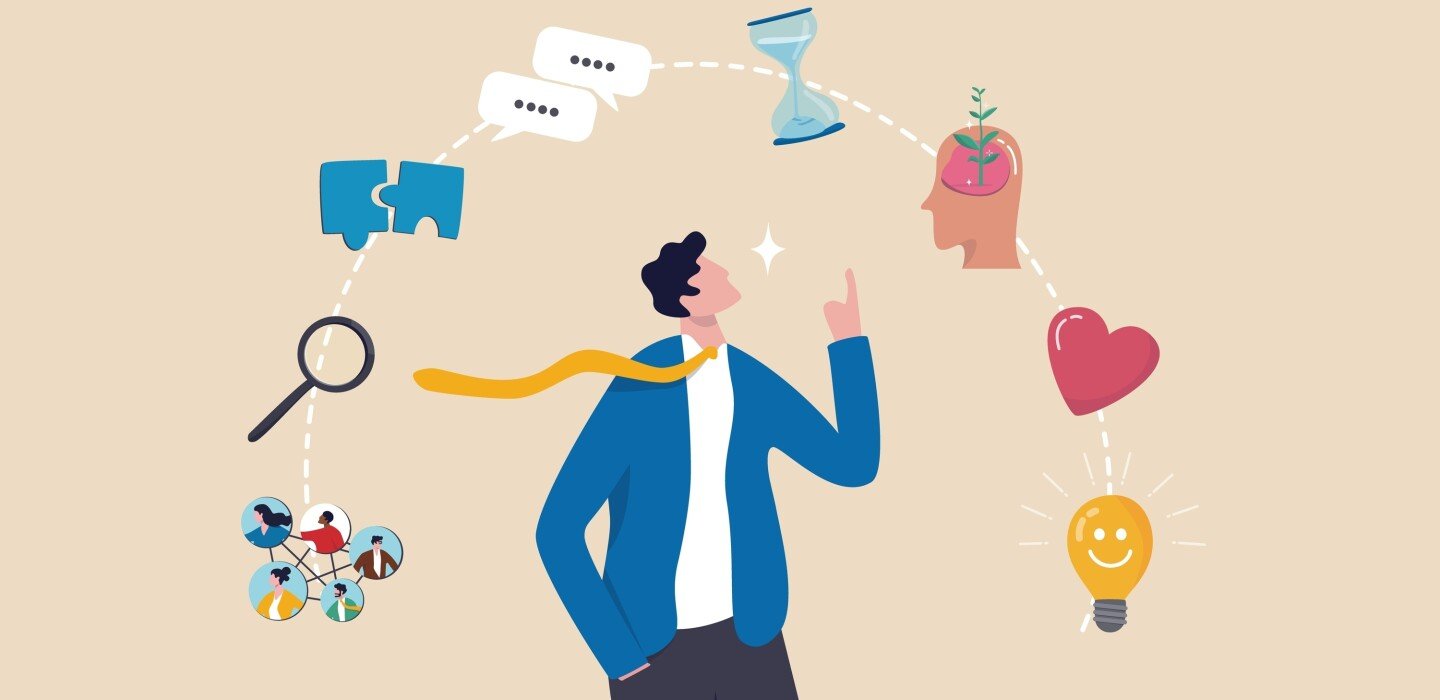
Soft skills are a hot topic in the business world, and educators are beginning to realize their importance. I call them soft skills for simplicity’s sake, but I agree with others who call them essential, vital, enduring, or even essential skills for success in the workplace and in life.
Employers report that: many High school (and even college) graduates lack these skills. The typical high school curriculum consists of mostly sedentary classes with few group activities that teach these skills. Students who participate in athletics, music, and drama may be able to develop some of these skills, but these opportunities are limited in many schools.
These skills are not taught in a typical “sit down and learn” classroom, but digital educational environments such as robotics teams, game jams, video production, and team programming provide the perfect environment. I recently served as a judge for a team-only high school science and tech fair and witnessed the need for each team to develop and utilize these skills. To quote from a recent article in Forbes Advisor: — “11 Must-Have Soft Skills for 2024 (with Examples)” — makes the case that digital educational activities provide opportunities to master these skills, which students in a game jam must learn to survive as team members, just like team members in a robotics or science project.
11 Essential Soft Skills
Forbes list communication Communication is the most important soft skill. This means sending and receiving communication effectively so that it is fully understood by all involved. If students are creating a program, app, game, or movie, they need to communicate clearly to the user on every screen and with every message. If students are working in teams on high-tech projects, communication skills are essential to achieving the desired outcome. If they are using digital tools to achieve results, be it CAD drawings, posters, or 3D printouts, they need to fully understand and meet the user’s needs.
Forbes’ number two skill is leadershipProject teams should discuss and practice effective leadership. Lessons learned about the elements of successful leadership can be taken up as discussion topics. This skill can be effectively taught and developed in any setting where groups need to get things done, such as a high-tech classroom or lab.
Teamwork Number three is one I couldn’t agree more from my experience visiting many companies. Companies need to bring viable products and services to market quickly, and that requires coordination and communication, which are essential elements of teamwork. The projects and activities in our digital education classes provide the perfect environment to learn how to work as a team.
Creativity Number four. It’s the key to success. We think of the big creative efforts of companies like Disney, Apple, Google, Amazon, and all successful companies rely on creativity, including finding simple solutions to everyday challenges. Our digital education environment is a place where creativity and unique approaches and perspectives are valued, and we can have conversations with our students about the value of creativity.
I would combine creativity with the number seven item on Forbes. problem solving And the ability to consider alternatives. In my business seminars, I teach that all you do in business is solve problems. The ability to think creatively to solve real problems is a key skill any business should master. A business is only as successful as it can solve problems with its products and services. To survive, it must also solve problems within its own operations. Again, every design step of a digital education course project involves solving problems, from the big challenges to the minute-to-minute and hour-to-hour issues that arise.
Time Management Number five is this skill. Every successful student has it to some degree, but it’s mostly focused on preparing for assignments and tests. There’s so much more that can be learned by students working on high-tech and other real-world projects. We can all agree with Forbes magazine when they say:[I]It takes discipline and a willingness to avoid distractions and low-priority tasks.”
Adaptability Coming in at number six, experts say high school graduates will have three to seven different jobs in their lifetime. Change is a constant, and the speed of this change is the new normal, and adaptability is a skill that helps them deal with change. Students need the ability to look for trends and get ahead of change. Forbes says adaptability includes “flexibility, resilience, growth mindset and analytics.” Again, working on high-tech projects at science fairs or in the real world helps develop all of this far more effectively than note-taking skills (now done very well by AI) or taking paper tests.
Forbes list Work ethic Ethics is the 8th most important soft skill, he said, and includes “arriving on time to meetings, always meeting deadlines, and taking responsibility for your actions.” We need to broaden this topic to ethical behavior in general. If we don’t learn to act ethically and maintain integrity, nothing else matters. We often hear that we have to teach students to count and teach them what’s important. Students will make mistakes, but we can help them learn from them and make more ethical decisions. Ethics is a topic we can cover because it’s always a topic of conversation at robotics competitions, game jams, and programming sprints.
The ninth important skill is Critical Thinking. I’ve taken numerous field trips to high-tech wonderlands like the Jet Propulsion Laboratory in Pasadena, where I see people “weigh available options and consider potential outcomes” to make informed decisions. This is a real-world, life skill that is learned and tested in digital education classes and related projects. Problem solving requires students to “identify the root cause of a problem and generate multiple solutions,” which they then test in real-world settings and applications.
Conflict Management is the 10th soft skill. If you’ve ever seen a team trying to solve a robotics or programming challenge, you know how important this skill is. I’ve read that some high-achieving students are not good team members in a business environment because they have never had their solutions criticized, they can’t handle conflict, and they can’t force others to choose another solution over theirs. Forbes states,[n]”Not all employees get along well with their coworkers all the time.” This skill also requires other soft skills like communication and critical thinking to ensure all perspectives are heard and concerns are addressed.
At the end of the Forbes list Emotional IntelligenceMy students are not always familiar with this concept, so I talk about the need to know why someone is crying before addressing them or trying to get them to stop crying. Equally important is for students to recognize that their own emotions can be upsetting and need to be addressed. This skill is important because this generation is glued to their screens and has not developed the ability to collaborate with others and recognize emotions, much less recognize when they are no longer in control of their own. Collaboration is rare in lecture halls, but it is frequent in robotics labs. Topics include the ability to praise when things are going well and to recognize hard work and contributions.
Teaching soft skills
Teaching these life skills and capabilities requires a more structured approach, but as digital and science educators, we can make this happen. Many of us do this to some degree, but let’s take it to the next level by talking to our students about it, sharing stories like the Forbes article mentioned above, and incorporating this topic into our classes to raise students’ awareness of and motivation for learning these skills. In our unique environment, where students work together, we can help them master these skills and become more successful in life.
In our ever-evolving world, technical skills are becoming more valuable in many jobs, but the teamwork and soft skills discussed here are just as important for success in the workplace and in life. The modern workplace is constantly changing, and these soft skills enable leaders to run their organizations and keep them efficient. Just like math and grammar, these skills need to be taught and embedded in the high school curriculum. Mastering these skills is not only essential for career success, but also for addressing many of the great societal challenges facing this generation. These skills, often omitted in sit-down classes, can be taught in high-tech classes to prepare students for the real world and the leadership required at all levels.
