

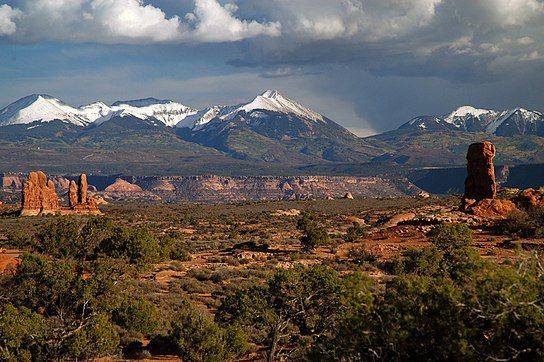
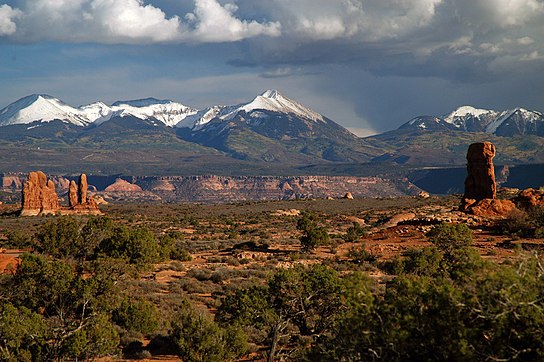
Wikimedia Commons/Photo courtesy
One hundred and one years ago, my Ute ancestors were forced to live in a barbed wire camp in Blanding, a small town in southeastern Utah.
For six weeks, nearly 80 people were held in cages, slept in tents and makeshift huts, and given minimal food, with their captors sometimes throwing food over the bars.
As with the infamous Japanese American POW camps during World War II, the only crime my relatives committed was belonging to a group that the white majority deemed threatening. There was no due process for Japanese Americans or Utes.
But while former Japanese American internment camp sites, including Topaz Camp near Delta, Utah, have memorials commemorating the victims, there is no memorial or plaque in Blanding acknowledging the suffering of my ancestors.
In fact, the events that led to their imprisonment are better known by such misleading names as “Posey’s War” and “The Last Indian Uprising.” My ancestor William Posey was a leader of the Anikanuche people, who continued their traditional hunting practices. They were spread across the vast Canyonlands and Bears Ears regions until the 1920s, long after many other Native Americans had been forced onto reservations.
Two Ute men were convicted of attacking a sheepherders’ camp on March 19, 1923. After an altercation with a San Juan County sheriff, the men fled and made their way to their families.
They fled over Comb Ridge into what is now Bears Ears National Monument. A search party of 50 armed white settlers pursued the Utes on horseback and in Model T Fords. County commissioners even requested a plane equipped with World War I bombs to use in the pursuit. Before the planes arrived, the search party found the family, forced them into a truck at gunpoint and drove them to a barbed wire fence in Blanding.
I tell this story because the incarceration of the Ute people 101 years ago had devastating consequences for my community and still requires healing today.
Two Ute men, including Posey, were murdered. Ute children were sent to Indian boarding schools, families were separated, and traditional education was discontinued. As a condition of release, prisoners in the camps had to give up their rights to the vast Ute Reservation, once proposed to cover most of San Juan County, and sign allotment papers for small parcels of land.
These events were tragic, but they were not “wars” or “rebellions.” Like the Diné Long Walk of 1864 and the Trail of Tears that began in the 1830s, my Anikanuche ancestors were subjected to brutal violence at the hands of settlers in Utah, but it bore no resemblance to the wars fought between the armies of two nations.
Despite these injustices, our tribe carries on what we call a “legacy of resilience,” and last year, the Ute Mountain Ute community of White Mesa began telling our side of the story for the first time.
I was selected to direct the 100 Years of Silence Project.In 2018, I have worked with elders, historians, and artists to facilitate healing. We have hosted many meetings to hear members of the community speak about this history. Seven local artists The works created will be on display at the Leonardo Museum of Creation and Innovation in Salt Lake City until May 28th. A public event was held on March 23rd. The project featured presentations by 18 Ute Tribal members.
Throughout this process, I have been inspired by the courage and wisdom of our community. Our joint efforts aim to end a century of silence and usher in an era of awareness and empowerment for all sides.
As the 101st anniversary of Anikanuche’s incarceration drew to a close last month, we hoped that Utahns would begin to recognize the events of 1923. We hope that those horrific weeks will stop being referred to as the “Posey Wars,” a term based on widespread misinformation. As the events unfold, the 100 Years of Silence Project is currently seeking input from the White Mesa community to rename this tragic series of events.
Perhaps one day a memorial could be erected at the site of the camp, near the historic bank building that still stands in Blanding. As Ute scholar Forrest Kutch reminds us: On Memorial Day, healing cannot occur until the truth is known and accepted.
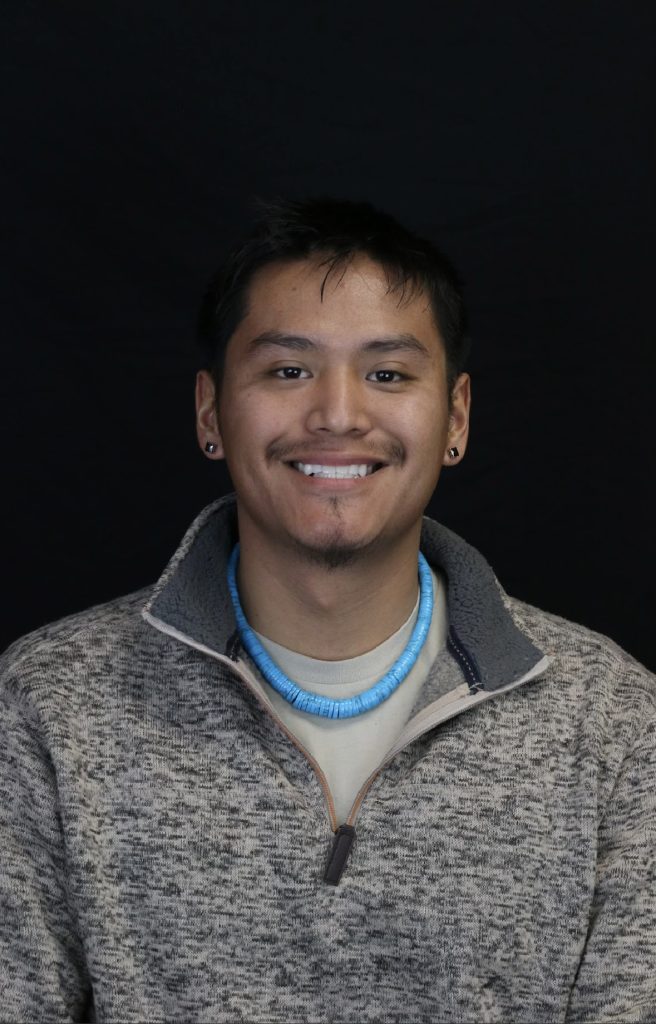
Shawn Ketchum Jr. is a contributor to Writers on the Range (writersontherange.org), an independent nonprofit organization dedicated to fostering dialogue about the West. He directs the 100 Years of Silence project and is a member of the Ute Mountain Ute Tribe.
