

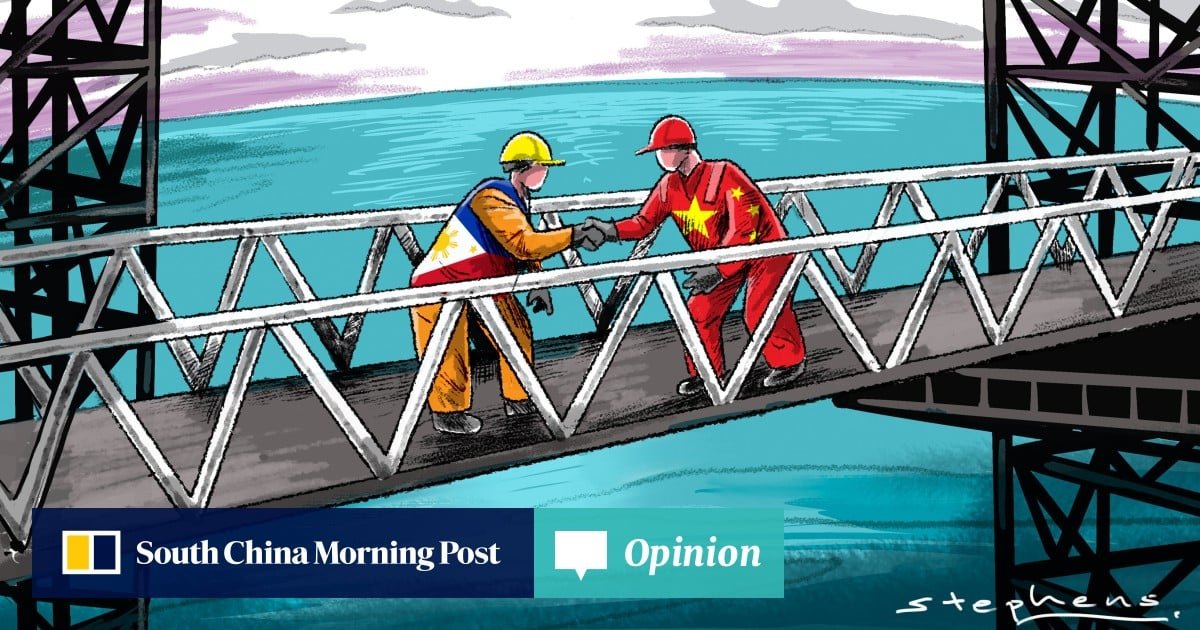
But past Sino-Philippine relations may offer a solution that could breathe new life into strained relations: joint exploration and production of oil and gas. It may sound far-fetched, but the two countries have previously agreed on oil and gas cooperation.

15:04
Why is the Philippines, which has maintained close relations with China for many years under the Duterte administration, aligning with the United States?
Why is the Philippines, which has maintained close relations with China for many years under the Duterte administration, aligning with the United States?
Teams from the three countries worked together on a Chinese ship for 75 days to collect seismic data covering the entire joint exploration area, approximately 18,000 kilometers. That deal also lost momentum, not because of geopolitical differences, but because of a lack of support from Manila’s lawmakers.
Since the court’s ruling concerns only the 2005 agreement, one way for the Marcos administration to curry favor with Beijing would be to encourage a new exploration agreement.
02:37
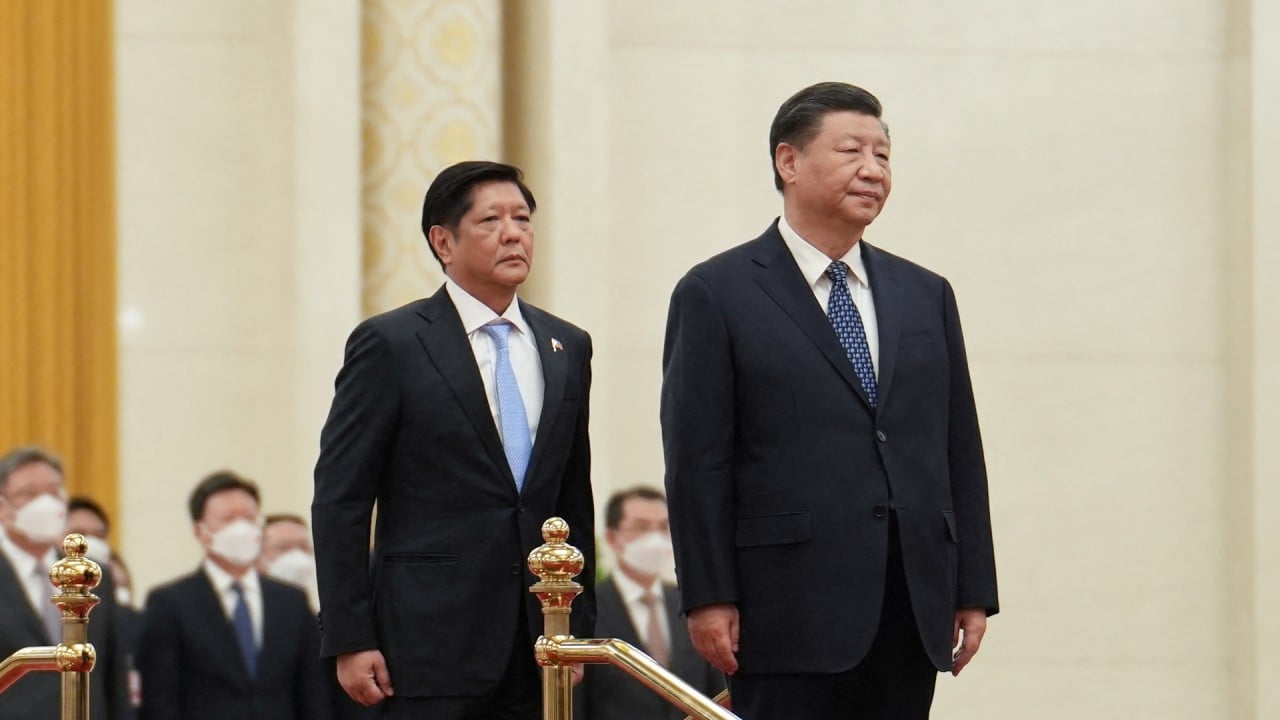
Ferdinand Marcos Jr. visits Beijing.President Xi proposes talks on joint oil development agreement
Ferdinand Marcos Jr. visits Beijing.President Xi proposes talks on joint oil development agreement
In anticipation of a decline in domestic natural gas supplies, the Philippines has built multiple liquefied natural gas (LNG) import terminals, mainly in Batangas province, about 100 kilometers south of Manila. At least seven LNG import terminals have been approved by the Philippine Department of Energy. More may be in development. However, there are problems with over-reliance on imported LNG.
Given the tight global LNG supply and the Philippines’ entry into new markets, the country’s import terminals will need to buy from the volatile spot market to supplement available regular supply contracts. be. Spot LNG price fluctuations can be large. After Russia invaded Ukraine in February 2022, spot LNG prices in Asia skyrocketed to record highs above an exorbitant US$40 per million British thermal units (MMBtu).
Simply put, relying on spot LNG supplies will put the Philippines’ energy security at risk. One way to balance China’s gas supply could be through joint production with one of China’s major oil and gas companies. China National Offshore Oil Corporation (CNOOC), which participated in the China-Philippines-Vietnam exploration in 2005, has the expertise and experience to make joint exploration and production successful.
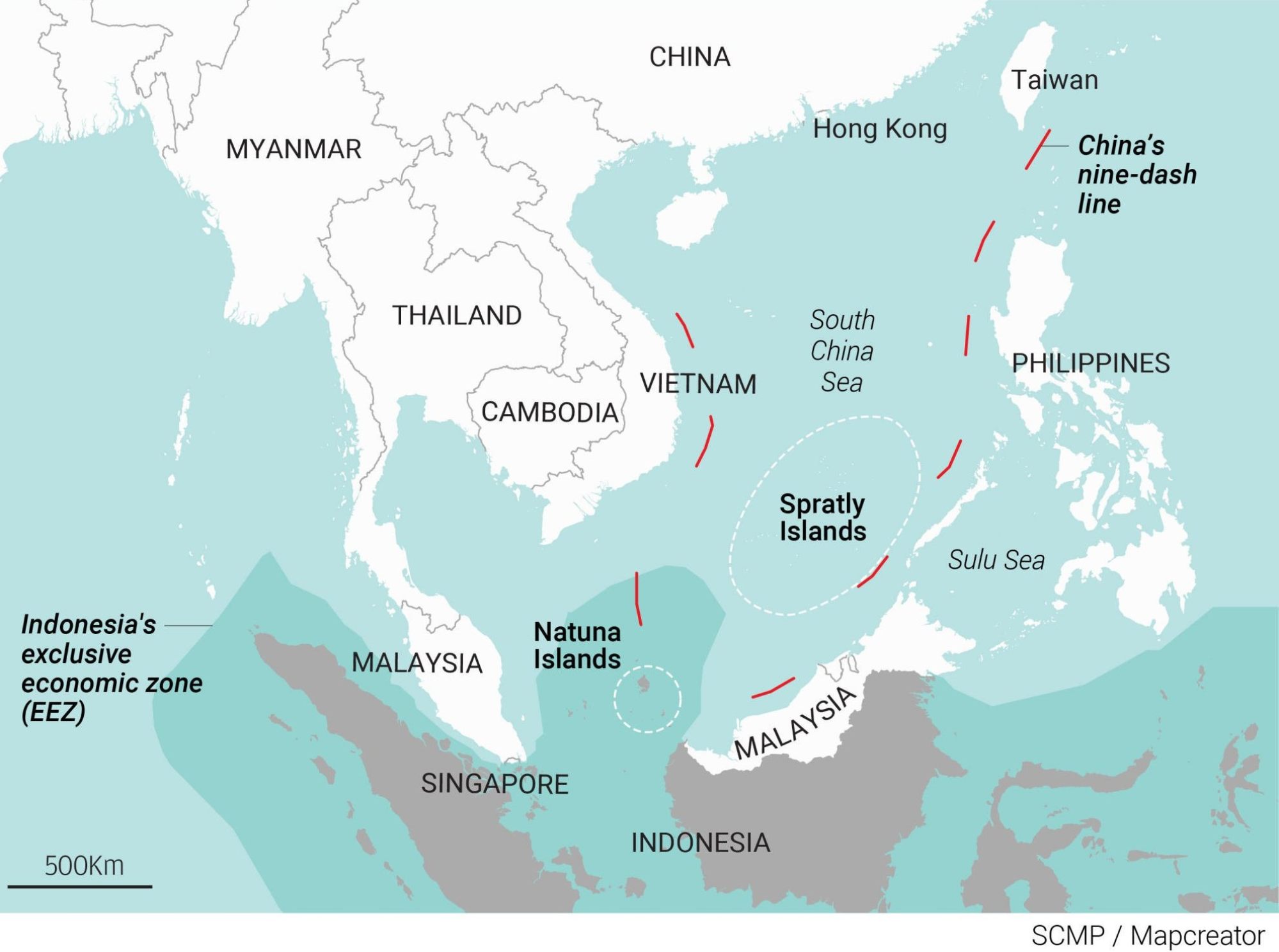
But how much oil and gas lies beneath the South China Sea has been a subject of debate for decades. Many of the reserves remain undeveloped due to territorial disputes. The U.S. Energy Information Administration estimates that the region has approximately 190 trillion cubic feet of natural gas and 11 billion barrels of oil in proven and probable reserves.
Most of these reserves are located along the edges of the South China Sea, not in disputed areas. The US Geological Survey estimates that an additional 160 trillion cubic feet of natural gas and he 12 billion barrels of oil may remain undiscovered.
To put these numbers into perspective, the Malampaya gas field, the largest in the Philippines, stores 2.7 trillion cubic feet of natural gas. This power plant met his 40% of Luzon’s electricity needs since 2001. Luzon is the most populous island in the Philippines, with a population of approximately 65 million people.
Therefore, given the overwhelming amount of gas resources in the South China Sea, a joint exploration and production agreement between China and the Philippines will not only improve bilateral relations and contribute to regional peace, but also help the Philippines with its pressing energy needs. It will also help you overcome. Chew into pieces. But it will also require a new level of political resolve and courage for the Philippines to take the first action.
Tim Daiss is an energy market and geopolitical journalist and analyst in the Asia-Pacific region.
