

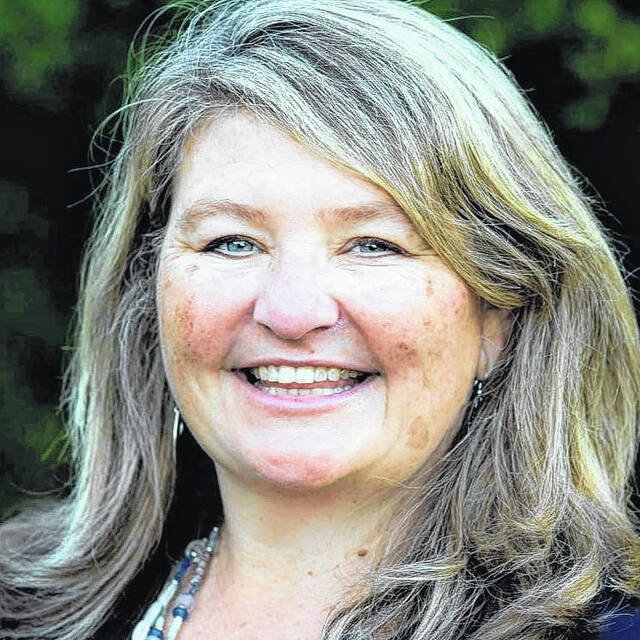

Mary Ann Wolf Opinion Shaper
Decisions about education are some of the most important decisions families and state leaders make. Just as parents consider the many school options available in North Carolina, lawmakers are choosing where to put taxpayer dollars to get the best outcomes for their children. North Carolina families want public schools that will help their children become well-rounded, independent individuals and prepare them to succeed in work and life.
State leaders in the Legislature have choices about how to allocate taxpayer money. When it comes to public schools, which serve approximately 85% of North Carolina students, recent decisions have resulted in the following: North Carolina ranks 48th in the nation in per student spending and 49th in the nation in education expenditures (as a percentage of GDP).
North Carolina ranks 38th in the nation for average teacher salary, about $13,000 lower than the national average.
State legislators recently voted to enact universal taxpayer-funded private school vouchers, making private school “opportunity scholarships” available to all families, regardless of income or history of public school enrollment. These vouchers were previously only available to low-income families who attended public schools. With this decision, state lawmakers are choosing to send hundreds of millions of dollars per year to private and religious schools that can implement discriminatory admissions policies and do not have to disclose what they teach or how their students perform.
As increasing amounts of taxpayer money is diverted to private schools in the name of expanding “school choice,” we must ask: How can parents and guardians be sure that the schools they choose are doing enough to prepare their children to be well-rounded students ready to succeed in their future careers and in life? And what happens if the private schools they chose don’t choose them again?
Using data from the state Educational Aid Agency and school websites, the North Carolina Public Schools Forum conducted a survey of the 200 schools that received the most taxpayer funding from school vouchers through the Opportunity Scholarship Program in the 2023-2024 school year. It collected information on religious affiliation, curriculum, teacher certification requirements and admissions policies.
The survey results highlight significant differences between public and private schools when it comes to testing accountability, teacher qualifications and data reporting requirements. Key takeaways include:
Only 8.5 percent of private schools that received vouchers report standardized test scores on their websites.
Only 2 percent of private schools require state certification for teachers. In contrast, traditional public schools are required to report student grades and require all teachers to have a bachelor’s degree and be licensed. Families can easily access staffing, student achievement, and other information for all public schools online.
Private schools, including those that accept taxpayer-funded vouchers, decide which students they can admit. Eighty-nine percent of private schools that receive the most funding through vouchers engage in some form of discrimination in their admissions processes, resulting in the denial of admission to a significant percentage of North Carolina students. These widespread discriminatory practices take many forms.
Religion: 90% of the schools that receive the most vouchers are religious, and 68% have religious requirements for admission. Academic: 59% of the private schools that receive the most voucher funds have academic requirements. There are no reliable academic performance data for private schools in North Carolina because there are no testing or reporting requirements, but national studies have shown that voucher students do not perform better, and often significantly worse, in private schools than in public schools. LGBTQ: 41% of the schools that receive the most vouchers explicitly exclude LGBTQ students. Many school handbooks contain a clause stating, “The school reserves the right, in its sole discretion, to deny admission to applicants who practice or promote a homosexual lifestyle or alternative gender identities, or who fail to uphold the school’s moral principles.”
Students with disabilities: 38 percent of these schools exclude students with disabilities. Some schools specifically state that they “do not provide special services as required by public schools.”
These admissions policies make it clear that private schools have the choice to select their students just as much as families have the choice to select their schools. In contrast, public schools accept and accommodate all students.
As the North Carolina Legislature again considers a significant expansion of funding for private school vouchers, it is critical that taxpayers understand where their tax dollars are going and who benefits. In the face of calls to increase school choice, we must ask: Are we really providing quality school choice for North Carolina children and families by providing taxpayer-funded vouchers to schools that implement discriminatory admissions policies and have the weakest accountability and reporting requirements of any state with a universal voucher program in the nation? Or have we only just expanded school choice?
