

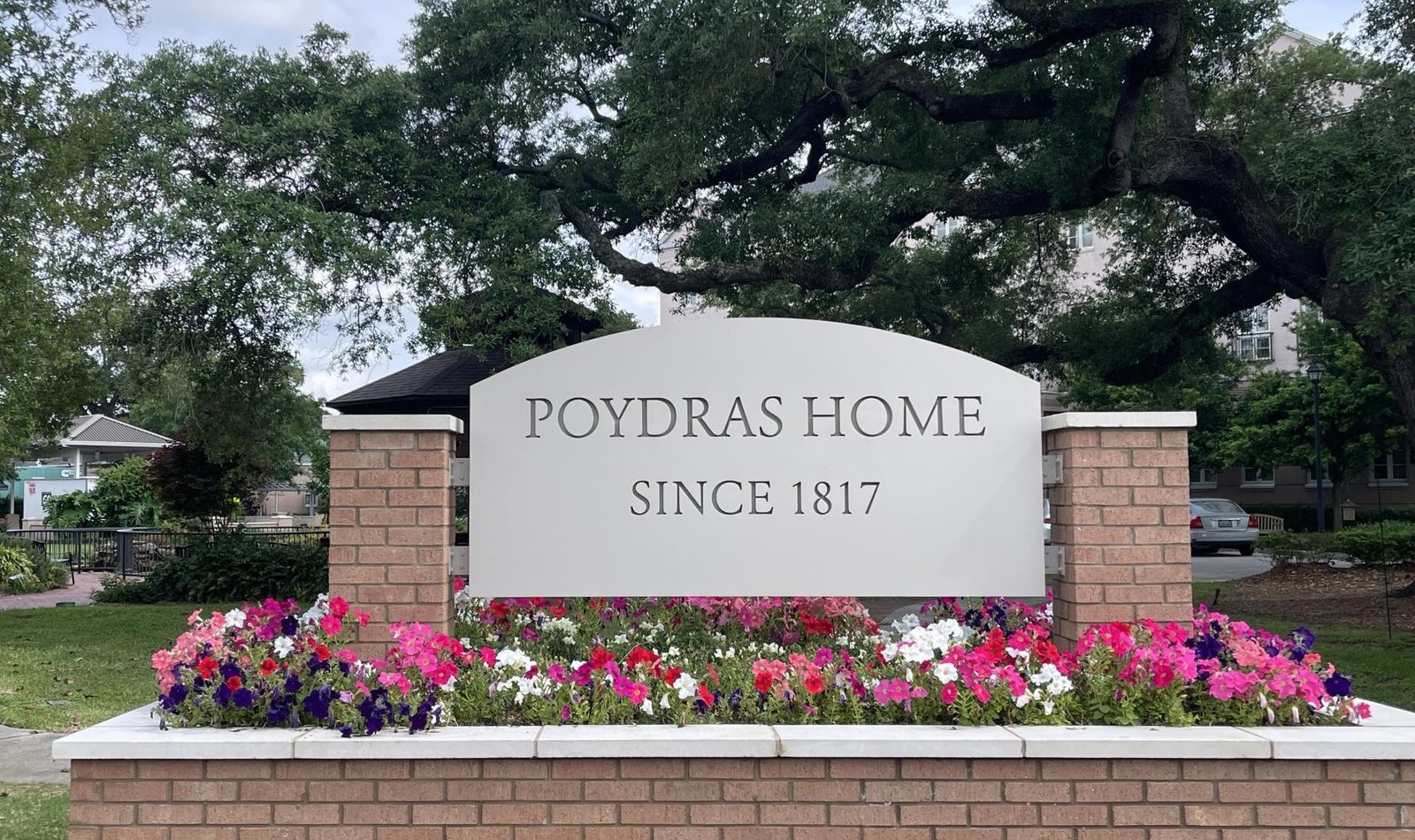
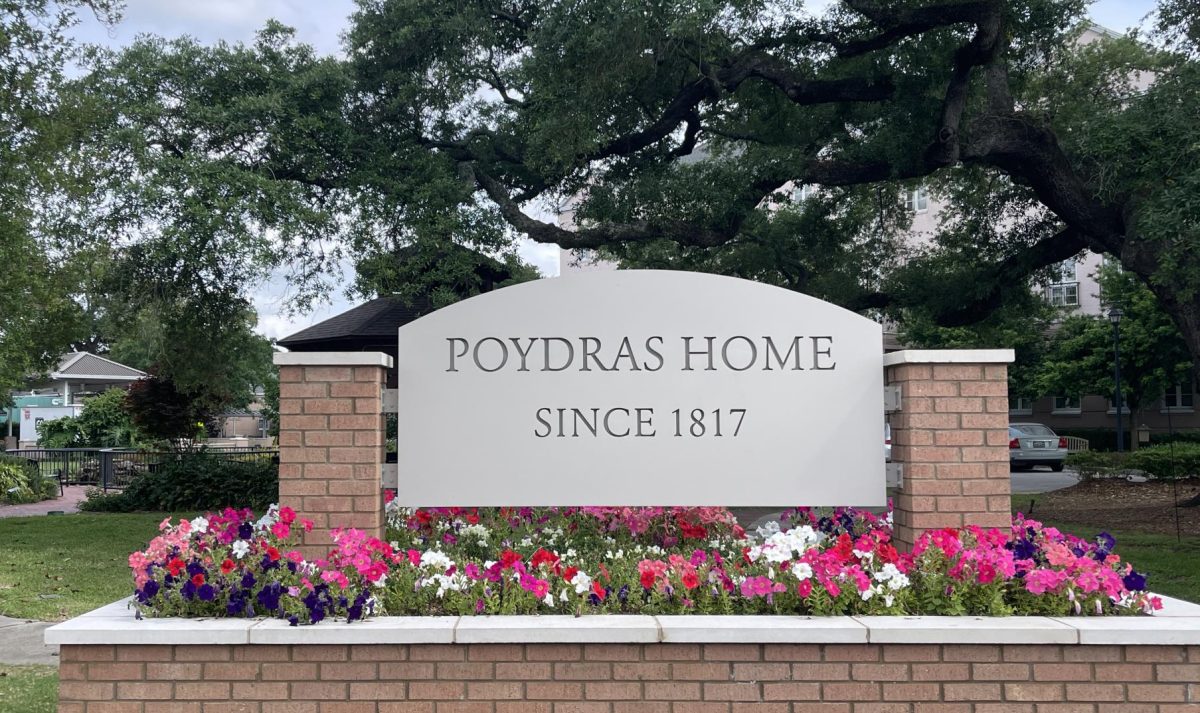
On April 20, 2024, a sign stands outside Magazine Street.
Behind New Orleans’ vibrant exterior lies the depressing reality of a city where lifelong residents, especially the elderly, struggle to make a living.
Seniors struggle with the cost of living at every level, including medical costs, housing costs, transportation costs, food costs, and other costs.
New Orleans has an estimated population of 369,749 people, and older adults make up 17% (62,857 people) of the population. Alarmingly, census reporters found that 20% of seniors, or one in five, experience poverty.
As our research takes a more focused approach, we find that housing is a key point of financial insecurity for older adults.
Census reports show that the median income for seniors in New Orleans is $34,391, which is lower than the median income for seniors in Louisiana at $35,363. This disparity is alarming, given that the Community Economic Research Council reports that New Orleans home prices are 71 percent higher than the state average and 43 percent higher than the U.S. average.
While this type of economic research requires statistics and numbers, we felt that an important aspect of this story would be lost if we did not capture the personal experiences of older New Orleans residents.
Jacqueline Harrison, a Gentilly neighborhood community member and longtime Loyola Sodexo employee, helped shine a light on the housing crisis facing the city’s seniors. We first met Harrison when she supported the organizing committee of the Sodexo union, of which she was a key leader. Her home in Gentilly has been home to her family for three generations, but she is struggling to maintain her home because her property taxes are rising. .
“Before Katrina, I was paying $40 in property taxes. By 2010, that value had risen to over $3,000,” Harrison said. Paying these taxes has always been difficult for her. Harrison goes to City Hall and she asks why her property taxes are so high now. There, she discovered that the city values homes based on appearance and location, regardless of what the average resident can afford.
After Hurricane Katrina, Ms. Harrison left New Orleans for New York City and experienced a significant improvement in her standard of living.
“I left New Orleans in 2007 and lived in New York for a year, and it was great. I had a job and was making good money. In 2007, I was making $14 an hour. It’s the same now,” Harrison said.
Harrison returned to New Orleans to care for his brother, who was disabled and unable to work. She could barely cover her annual income taxes with the small refund she received from federal income taxes as his caregiver. Unfortunately, he passed away this year and that little extra income is gone.
“I don’t know what I would do without additional income,” Harrison said.
The Orleans Parish Assessor’s Office reevaluates property appraisals every four years. This process is called his quadrennial assessment. The most recent assessment was done in 2023 for the 2024 tax year, and this significant property assessment increase left New Orleans homeowners wondering how they would pay their property taxes going forward. . Some homeowners living on fixed incomes have had to accept that they can no longer afford to live in their New Orleans homes. Many others were left perplexed by the increase, claiming their neighbors’ appraisals were so different from their own that the appraiser must have made a mistake.
“Even the tax experts I’ve talked to say some of this doesn’t make any sense at all, it’s too much. My understanding is that 6 properties are up more than 50%. It is said that there are more than 10,000 cases.” City Council Vice President Helena Moreno said in a FOX 8 article. It is unreasonable to think that lifelong city residents like Mr. Harrison can afford these increases, which have led to generations of families being forced from their homes.
Our research reveals a significant worsening of an already desperate housing situation.
The city of New Orleans allocates almost nothing to affordable housing or Section 8 programs according to the city’s budget. Hurricanes are increasing in number and intensity, forcing insurance companies to either cut customers or raise premiums to unaffordable levels. Companies like AirBnB and VRBO have made an already severe housing crisis even worse. Areas with the highest concentration of these short-term rentals are on average 20% more expensive.
Unfortunately, our research shows that Jacqueline Harrison’s story is all too common in the Crescent City. New Orleans has a great responsibility, and it is our responsibility as citizens to pressure our local government to take action.
While measures like the City Council’s ban on short-term rentals are important steps in the right direction, more needs to be done if New Orleanians are to call this city home for the rest of their lives.
