


It is no longer a question of insuring against so-called “acts of nature” such as fires, floods, hurricanes and typhoons, but of dealing with man-made disasters, which are far more costly.
The challenge now is to spend literally trillions of dollars to strengthen our existing and planned critical infrastructure so that it can withstand the onslaught of disasters caused by climate change.
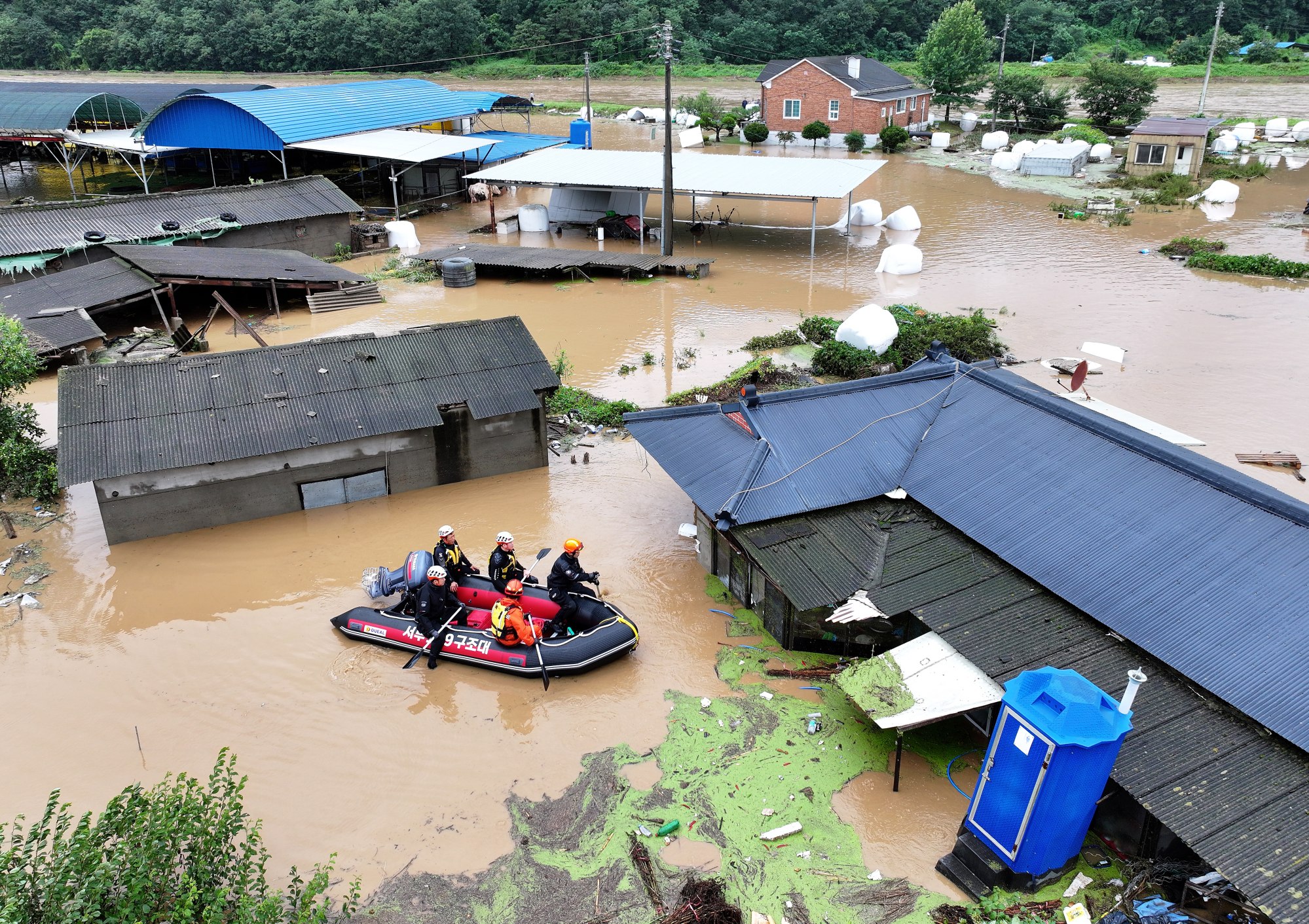
But who will pay these enormous sums: governments (i.e. taxpayers), savers and lenders (i.e. us), or corporations (i.e. shareholders)? That, as the saying goes, is the question.
The report, titled “A Governance Framework for Managing Climate-Related Public Investments”, is forthright in talking about the amounts that will be needed – which is, at the very least, a welcome development.
09:22
Will Central be submerged in 80 years? Climate crisis looms over Hong Kong
Will Central be submerged in 80 years? Climate crisis looms over Hong Kong
We are primarily talking about energy, transport, water, sanitation and agricultural systems, as well as the construction sector and coastal facilities, all of which are essential for social and economic survival and growth.
The Asia-Pacific region faces more frequent and widespread climate challenges than any other region. Since the beginning of the 21st century, more than 40% of the world’s climate-related disasters have occurred in the region, affecting around 3.6 billion people and causing around 900,000 deaths.
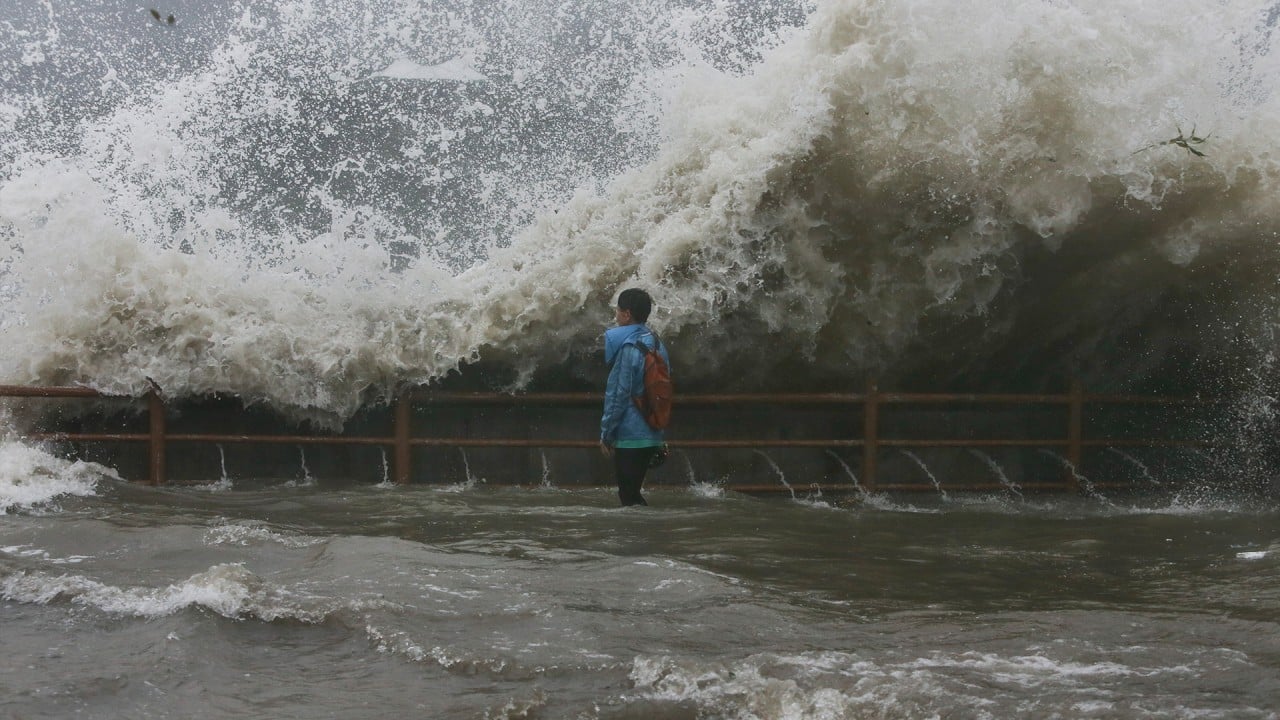
Rising temperatures, intensifying extreme weather events and rising sea levels are some of the main climate-related hazards threatening human and physical assets across the region, especially given that the population is concentrated in coastal and urban areas.
Perhaps even more frightening is the observation that, if left unchecked, the increase in annual losses from climate damage could outpace the growth in gross domestic product in the Asia-Pacific region.
The ADB report, like others on the topic of climate change, does not address the key question of who will foot the bill to address an existential problem – but that is exactly the debate that needs to take place.
Instead, the report offers the bland suggestion that “the Treasury must play a central role in mainstreaming climate action within its core mandate of economic strategy, fiscal and monetary policy” and acknowledges that “public funds will be insufficient to meet the needs for resilient infrastructure investment.”
And the suggestion that private finance could play a valuable role as a “solutions provider” supplying the technologies, services and products needed to adapt to a range of climate risks is too vague to make sense. In reality, financial markets, and especially equity markets, need to be more closely involved in directing savings towards climate investments.
Currently, the global asset management industry is pouring huge amounts of money into trendy tech stocks with a combined capitalization of trillions of dollars, while investing almost nothing in core socio-economic needs such as climate change and infrastructure.
Stating the problem won’t solve it, but it’s at least a step along the way. A wake-up call is needed, and perhaps a ferocious hurricane, a devastating flood, or a shaky airplane will be the wake-up call.
Anthony Lawrie is a veteran journalist specializing in Asian economic and financial issues.
