

David Long
While many longtime New Yorkers speak with pride of having survived the city’s bad old days, no one wants to go back to them. At the same time, there is widespread agreement that many of the law enforcement and sentencing policies of the ’80s and ’90s were sometimes wrong, expensive or ineffective and need to be reevaluated.
As a former NYPD officer who served in the transit agency during tumultuous times, I don’t take crime lightly — part of my career after leaving police was to promote opportunities for people who were arrested to live safely in their communities — so I also know that incarceration is not the panacea that many hope for.
In politics, where you need 51 percent of the vote to win anything, it makes sense to divide the world around you into two opposing camps — say, “tough on crime” and “reform” — and then align yourself with whichever camp is more popular at the time. But good policy requires deeper thinking.
As we peel back the layers of mass incarceration, it’s important to tread carefully so we don’t solve one problem by creating another. Thankfully, smarter approaches based on decades of research and the insights of crime victims, formerly incarcerated people, and other experts now exist.
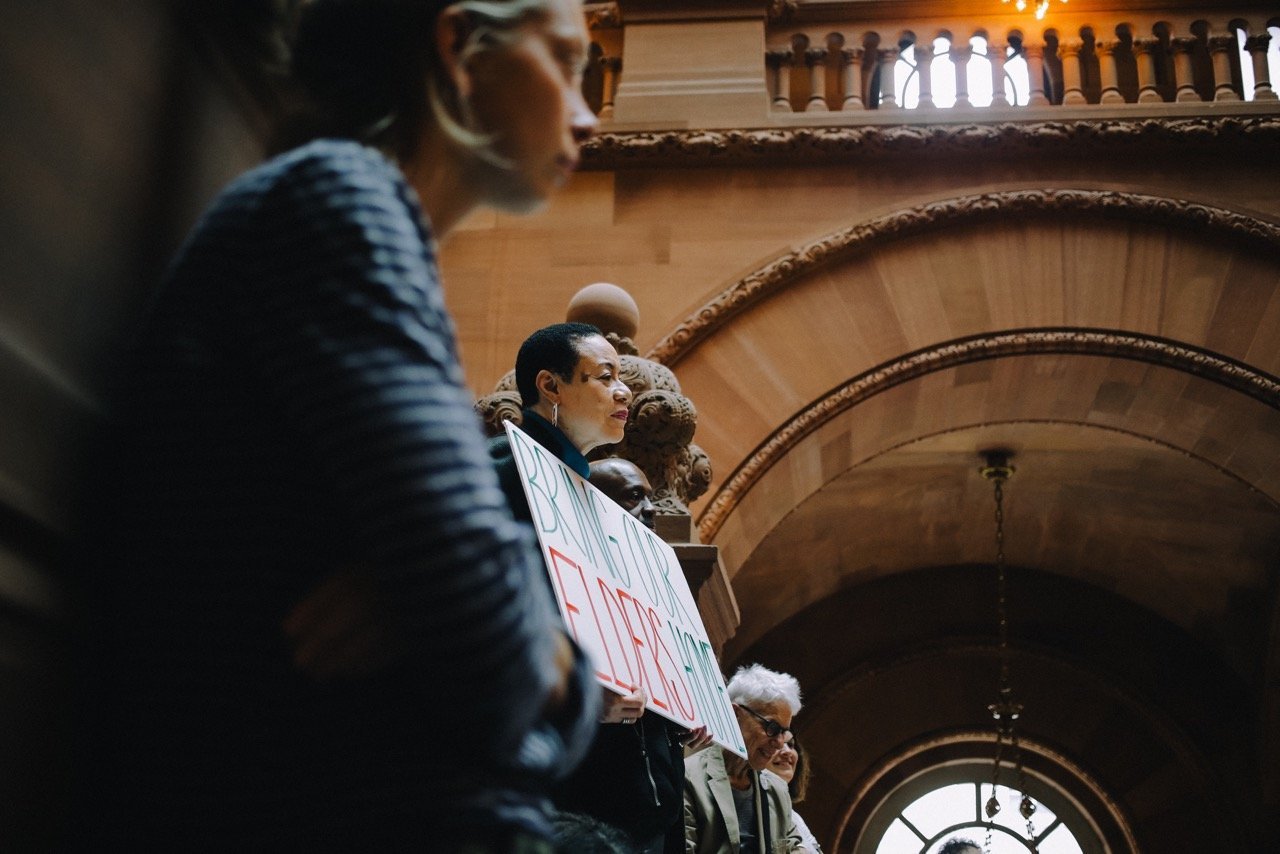
One solution is to change the parole system to more rigorously and fairly vet people who want to go home and ensure that people who turn their lives around while incarcerated have a fair chance. Two bills under consideration in the New York State Assembly, Fair and Timely Parole and Elderly Parole, would do just that, and lawmakers should enact them this year.
Under current law, many New Yorkers in prison have no chance to reunite with their families and communities, no matter how much they grow and change. This endless punitive system comes at a high cost, and all the data tells us it doesn’t make us safer. Its only purpose is to satisfy our insatiable desire for revenge.
True accountability means more than punishment. It means changing behavior, which must be at the heart of any quest for justice.
Listen to the stories of the crime victims who advocate on these pages. They want their voices to be heard – and They want safety and healing, not harsh punishment..
To be clear, neither bill would guarantee anyone’s release. But on a case-by-case basis, people in prison would have the opportunity to demonstrate whether they’re ready to reenter society. They’d have something to aim for.
Throughout my career, I have met and worked with hundreds of people who are doing important work to serve our city after spending years in prison, and I have seen firsthand the positive impact they are making.
These bills would allow the state to reinvest in support of family reunification, home leaders, violence interrupters, and addiction recovery counselors. $500 million per year What really works to end the cycle of violence means more and better housing, health care (including mental health and drug treatment), support for victims of crime, and other necessities.
Some experts will cry “soft on crime,” but this, too, rests on a flawed premise. Chest-pounding and bullish behavior can only go so far. Legislators need to commit to actually improving safety. That means building a justice system that values individual transformation and investing in the pillars of true public safety: healthy, whole, and well-resourced communities.
Governor Kathy Hawkle, Senate Majority Leader Andrea Stewart-Cousins, and House Speaker Carl Heastie: Let’s get to work. Let’s enact fair and timely parole and elder parole this year.
David Long is executive director of the Liberty Fund and a former New York Police Department officer.
