

Written by Tatiana Bautzer and Lanan Nguyen
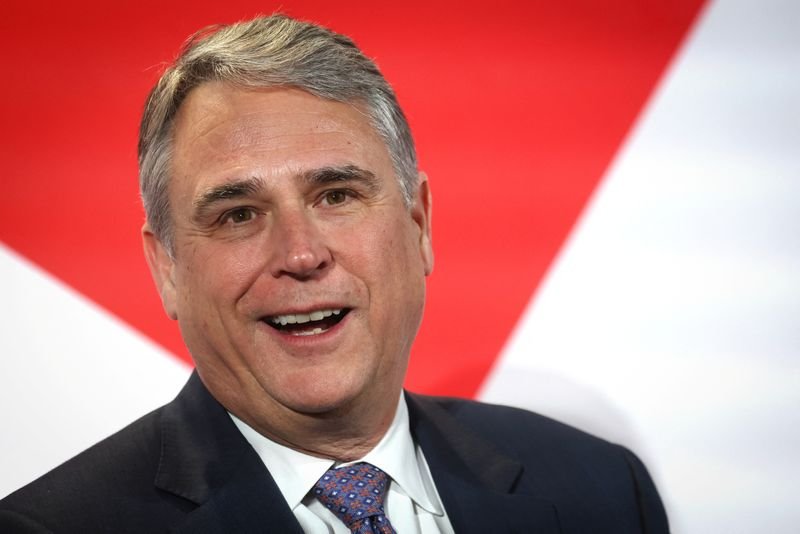
NEW YORK (Reuters) – HSBC’s wealthy clients in China and Hong Kong remain keen to invest in the United States, said Michael Roberts, HSBC’s CEO for the United States and the Americas.
Roberts told Reuters in an interview that China’s economic growth remains strong compared to other countries and its wealthy citizens are looking to invest overseas.
“Chinese investors are very sophisticated. For most Asian investors, the first port of call is the United States,” he said.
The bank’s focus on wealth comes at a time when tensions between the U.S. and China are smoldering. Trading in Asia remains weak, and some U.S. financial firms are focusing on investment banking fees to cut jobs and rein in ambition. The United States is also in advanced talks about sanctions against some Chinese banks, but there are no plans yet to implement such measures, a U.S. official told Reuters on Tuesday.
HSBC manages about $1.8 trillion from wealthy clients, much of it from Asia. Last year, the company acquired Citigroup’s China consumer assets business, adding customers, assets under management and deposits.
The move comes after HSBC sold more than 200 retail branches in the US and shifted its focus to wholesale business and wealth.
HSBC has about 400,000 higher-net-worth individual clients in 22 dedicated offices it calls wealth centers, including the one it opened Tuesday in a new office in Manhattan’s Hudson Yards neighborhood. Wealthy foreigners make up about 70% of the group.
Raquel Auden, head of wealth and personal banking at HSBC, said at the opening ceremony on Tuesday that the bank’s corporate and investment banking division often refers owners and executives to its wealth management division.
She gave the example of a client in India who sent her son to study at a US university and was later able to secure credit cards and mortgages because of the family’s relationships with financial institutions around the world.
Wealthy customers from outside the U.S. looking for big-ticket mortgages in the U.S. typically pay large amounts upfront and borrow for short periods of five to seven years, Roberts said.
(Reporting by Tatiana Bautzer and Lanan Nguyen; Editing by Jonathan Oatis)
