

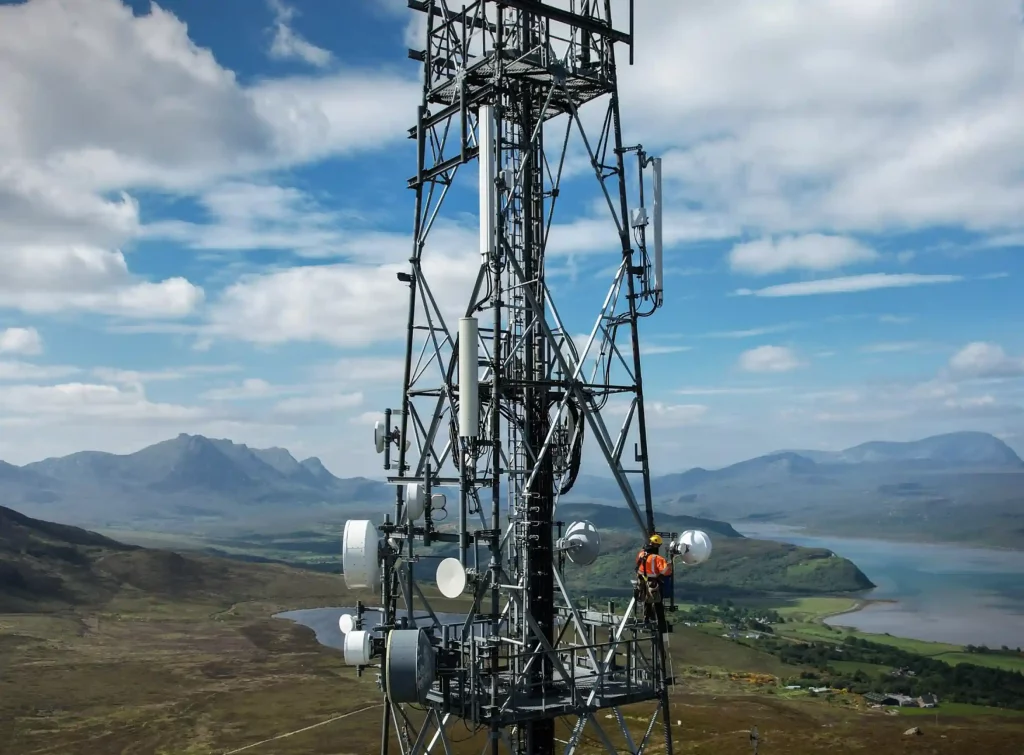
The importance of independent tower companies in Europe
Neutral telecommunications infrastructure operators are and will continue to be A decisive role in the development of wireless technology in EuropeImproving facility efficiency and Concept Sharing of infrastructure among various operators.
The growing importance of the sector to the European market is highlighted in a recent report by Ernst & Young and the European Wireless Infrastructure Association (EWIA), “The Economic Contribution of the European Wireless Infrastructure Sector.” The study notes that neutral operators’ market share will increase from 17% in 2018 to 39% in 2023, with the potential to reach 50%. These figures highlight its increasingly important role in optimising and streamlining network infrastructure.
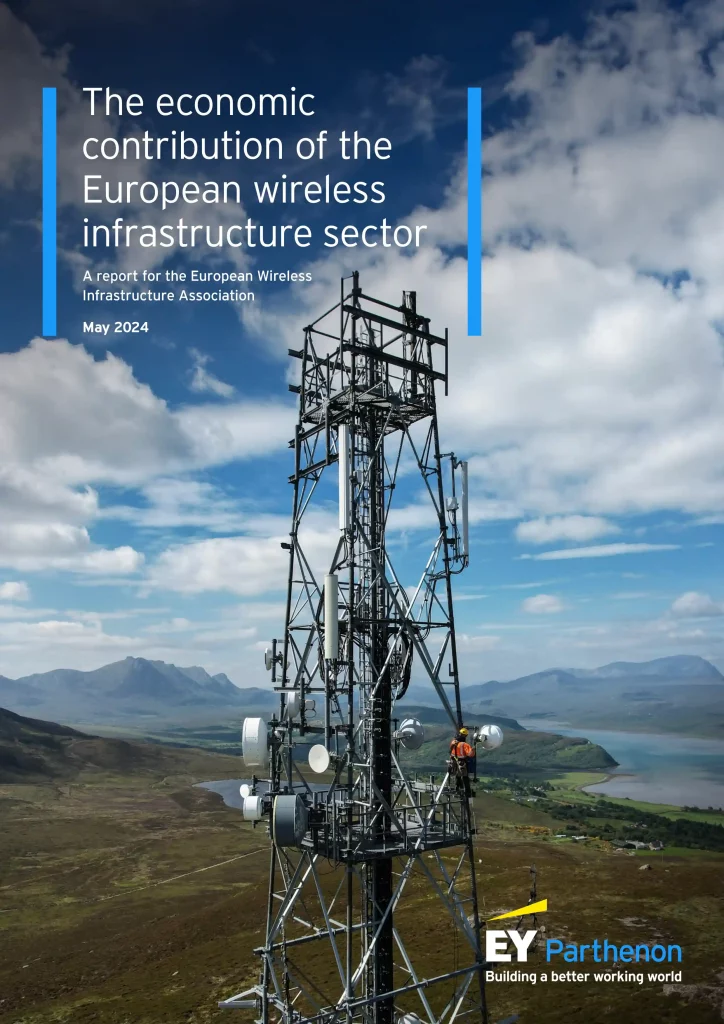
Companies like Cellnex are proving to be vital not only in improving mobile network coverage and capacity, but also in smoothing the transition to emerging technologies such as 5G, unlocking billions of dollars of investment from mobile operators to meet constant technological challenges.
The study estimates that the purchase of base stations by neutral operators has freed up €26 billion for mobile network operators (MNOs) since 2018. This figure has played a decisive role in enabling MNOs to reinvest funds in emerging technologies such as the rollout of 5G networks and improving the coverage of telecommunications services across Europe. Furthermore, the report estimates that a further €28 billion could be freed up if base station outsourcing rates increased to 50%.
“Increased outsourcing to independent tower cos could free up an estimated €28 billion in capital that MNOs can reinvest in their own networks to improve coverage and accelerate 5G rollout,” the report said.
In addition to the economic benefits, independent tower companies Efficiency and sustainabilityColocation on existing towers reduces the need to build new infrastructure, reducing the environmental and aesthetic impact. This approach not only optimizes operational costs but also contributes to making the network rollout faster and more efficient. Continuous investments in new implementations and maintenance, such as €2 billion per year reported from 2021 onwards, will help to reduce the overall cost of ownership. These companies’ efforts towards sustainable and efficient development of network infrastructure. “Independent towercos play a key role in enabling the rollout of 5G and the continued expansion of mobile network coverage, with EWIA members alone investing €2 billion per year since 2021 in new deployments, site enhancements and maintenance.”
Digital Divide
“Cheaper and faster deployment in rural areas will help bridge the digital divide,” the report said, referring to the inclusiveness and social cohesion that Europe is aiming to achieve through its digital revolution.
Companies like Cernex For mobile network operators, it will play a key role in improving connectivity in rural and economically less attractive areas.In these regions, where deployment costs are high and revenue opportunities are limited, tower cos’ ability to reduce costs and optimize infrastructure is crucial. Tower cos can facilitate greater coverage and connectivity, ensuring rural areas are not left behind in the digital revolution.
“Independent tower cos play a critical role in enabling the telecommunications industry to more efficiently utilize passive infrastructure. Higher utilization rates of independent tower cos reduce the cost per user and lower the threshold at which improved coverage becomes profitable,” the report authors said.
Analysts believe: Reducing duplication and improving efficiency in infrastructure management will also result in more affordable pricing for consumers.“Sharing towers among multiple tenants reduces overall costs for mobile operators, improving coverage and lowering prices for consumers.”
Nevertheless, the sector faces significant challenges that require attention and adaptation. Market competition and consolidation are key aspects, with increased competition expected between MNOs and independent towercos. Research shows that this trend is likely to lead to consolidation and changes in investment strategies, with regulations and government policies remaining essential. This is especially true in aspects such as colocation and rural deployments that require a balance between economic efficiency and equal access. The rapid evolution of wireless technologies, such as 5G and future innovations, brings both challenges and opportunities. Companies in the sector will need to update their infrastructure and adapt to new connectivity demands. All this is happening in an environment where the climate emergency requires reducing the environmental footprint of infrastructure.
