

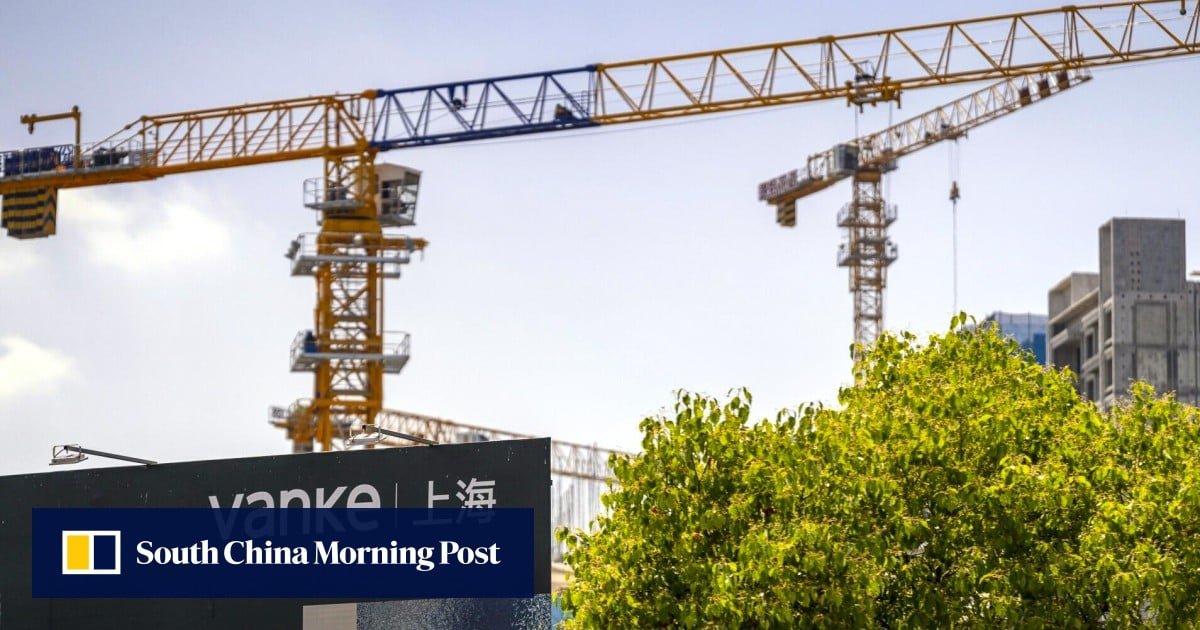
Debt-laden property developer China Vanke posted higher contract sales in May as the country’s largest homebuilder resumed investing in new projects after taking on bank loans and complying with Beijing’s stimulus package to bail out the crisis-hit industry.
The company said in a statement to the Shenzhen Stock Exchange late Monday that home sales rose 11.3 percent from the previous month to 23.3 billion yuan, sending its shares soaring 7.7 percent on the Hong Kong Stock Exchange on Tuesday. Revenue in the first five months of the year was 102.2 billion yuan ($14.1 billion), down 39 percent year-on-year.
The monthly sales growth came after Chinese authorities last month announced a historic rescue package for the industry, including a 300 billion yuan re-lending facility and cuts to mortgage rates.
Major Chinese cities including Shanghai, Shenzhen and Guangzhou have slashed mortgage rates and relaxed home-buying regulations to lure buyers. Shenzhen, China’s high-tech hub where Vanke is based, has cut down payment requirements for first-time buyers by 10 percentage points to a minimum of 20 percent and for second-home buyers, 30 percent.
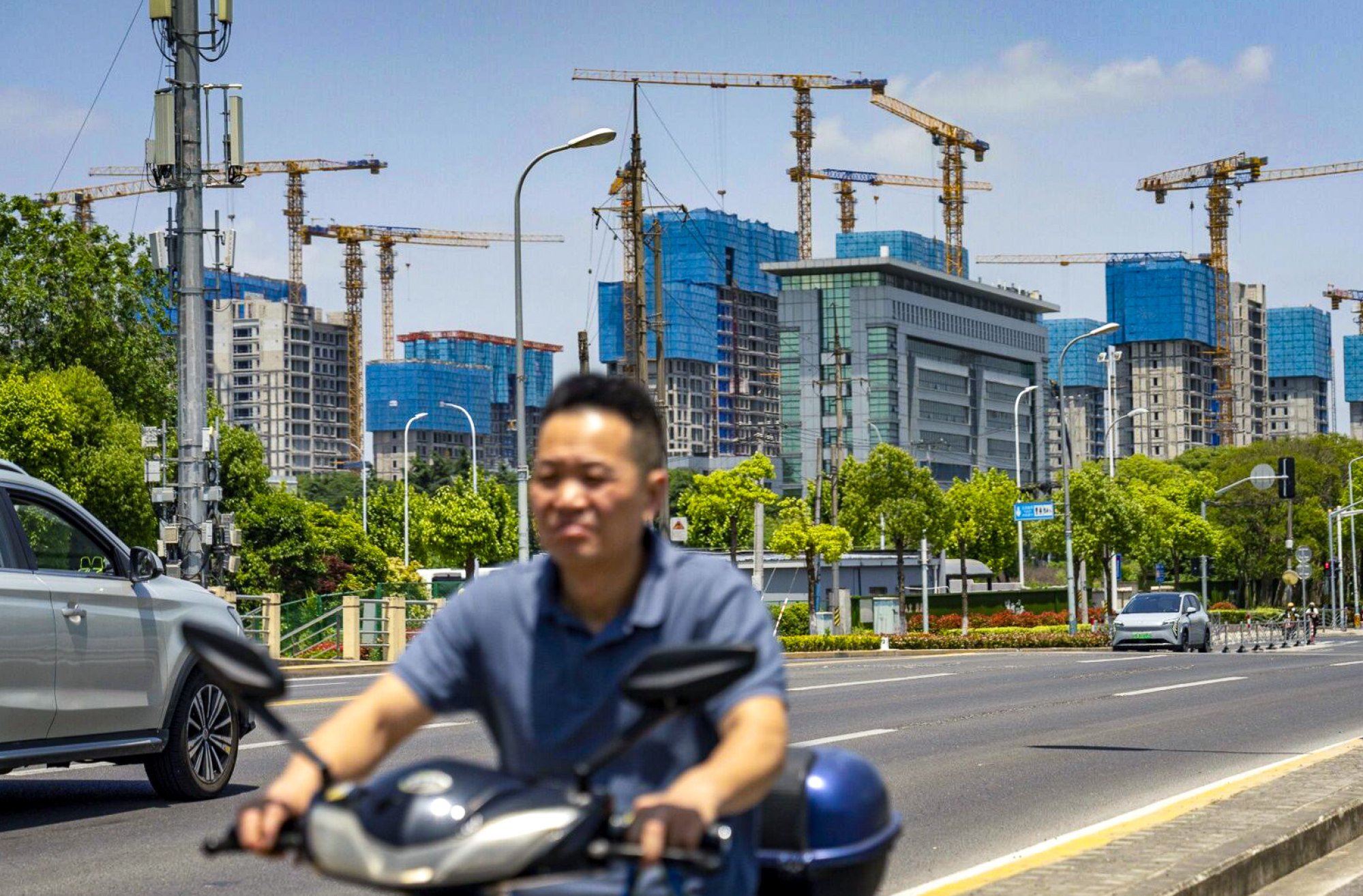
Meanwhile, Vanke Group has acquired two additional parcels of land for a 51% stake each, its first investment since January, the statement said. The land, located in Shenyang city in northeastern China’s Liaoning province, will require the company to pay a total of 248 million yuan for its stake.
The announcement came days after Vanke sold a piece of land in Shenzhen for 2.24 billion yuan to repay debt. The Shenzhen-based property developer also received 20 billion yuan in syndicated loans from China’s largest financial institutions, including China Merchants Bank, last month, and another 7.8 million yuan in bank loans guaranteed by a subsidiary.
Nationwide, transaction volume among China’s top 100 property developers in May rose 3.4 percent from April to 322.4 billion yuan, according to the China Real Estate Information Corp. Vanke Group ranked third in May after state-run Poly Development Holdings Group and China Overseas Land Investment Group. Still, total sales fell 33.6 percent from a year earlier.
