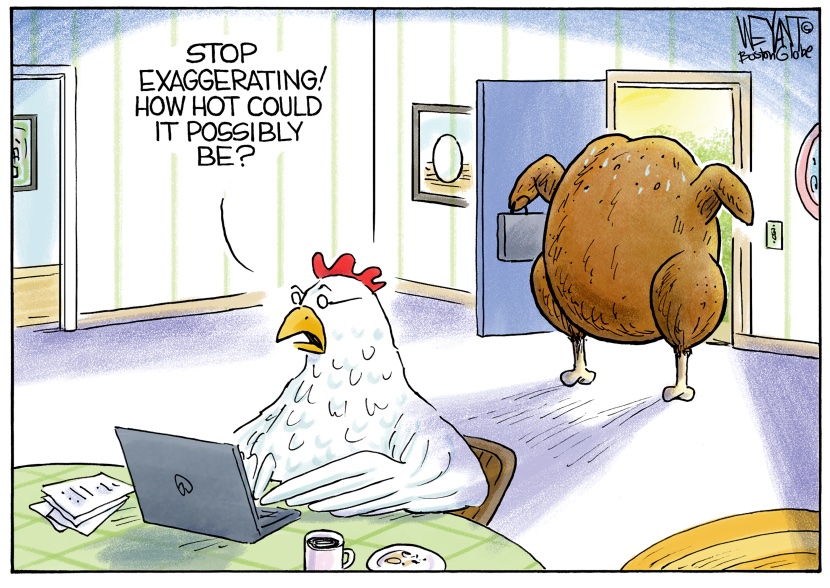
Thankfully, Willys Haviland Carrier invented air conditioning — for the most part.
Before air conditioning became commonplace, the heat would drive us outside to be together: friends would seek shade under a tree or take a refreshing dip in a lake or river.
On the hottest nights, the whole family would take blankets and pillows to the cool riverbank.
In the evenings, neighbors sat on the wide front porches, sipping lemonade and sharing stories in the cool breeze.
Even when I was a child in the suburbs of Pittsburgh in the 1970s, few homes had air conditioning, and the windows were always open.
At night, you could hear neighbors chatting, a baby crying in the distance, and Pirates announcer Bob Prince giving the game report on someone’s porch radio: “…he missed it by just a hair!”
In the morning, I woke early to the sound of birds chirping, the smell of cool dew outside the window, and the aroma of toast and scrambled eggs my dad was making in the kitchen.
Air conditioning has certainly changed a lot of things for the better — I’m staying cool as I write this column — but it has also brought some drawbacks.
Now, most of the area is sealed off and instead of the sounds of children playing, the only sound you can hear is the hum of air conditioner motors.
My Uncle Jack’s 1920s house was designed with high ceilings, cross ventilation, and wide hallways to let heat out — today’s low-ceilinged suburban homes with porches in the back and garages in the front no longer need these great features.
No lemonade for you!
Commercial buildings once had windows that could be opened, but that is no longer necessary.
Today’s glass buildings are designed to keep out light and air, so we don’t notice what the season is.
Before air conditioning was installed in the Capitol in the 1920s, hot, humid Washington was deserted from mid-June through September.
Now Congress can spend more time, as the great New York Times columnist Russell Baker once put it, “issuing more laws, plundering lobbyists, coming up with new plans to expand the federal government and, of course, dealing with the costs of maintaining a fully operational government.”
Yes, air conditioning has dramatically improved the lives of the elderly and those with respiratory illnesses. Many lives have been saved. And cooler air has made us much more productive.
What I’m saying is that being hot, sweaty, and uncomfortable can be a good thing sometimes.
While living in the Washington, DC area in 2004, a group of us sat next to the Capitol building in 102 degree heat during an Independence Day ceremony.
Thousands of people were packed together, sweating, but no one cared.
We sang the National Anthem together, it was an emotional event, we watched the fireworks over the Washington Monument, it was amazing being with so many people in the heat.
But as soon as the last firework exploded, most people fled to their air-conditioned cars or homes, quickly returning to isolation.
I did not do it.
I rolled down the car window and we drove slowly through the streets of Washington, listening to the occasional firecracker or the conversation of children playing with sparklers.
Of course, as soon as I got to my Virginia apartment, I cranked the air conditioning up to full power and happily enjoyed the amazing benefits of Willys Carrier’s brilliant invention.
–
Copyright 2024 Tom Purcell, distributed exclusively by Cagle Cartoons Newspaper Syndicate.
Visit Tom Purcell.com for Tom Purcell’s regular columns, humorous books, and hilarious videos featuring his dog, Thurber. [email protected].