

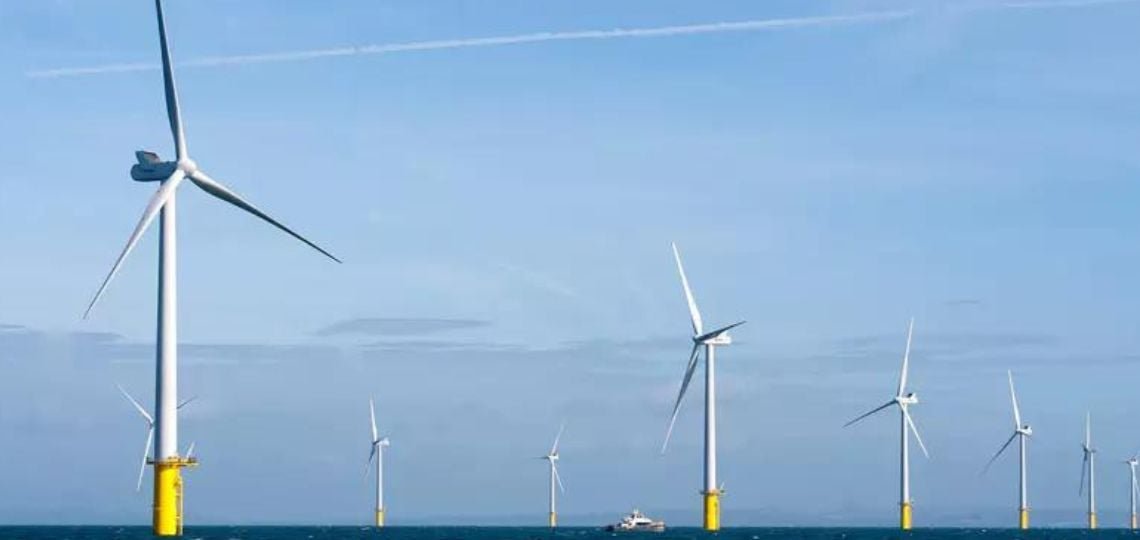
Global investment in clean energy is expected to reach US$1.8 trillion in 2023, with US$660 billion of that earmarked specifically for renewables. However, this falls short of what is needed to meet the COP28 target of tripling renewable energy capacity by 2030. The latest EY Renewable Energy Country Attractiveness Index report (RECAI 63) identifies several major obstacles that could impede needed progress, including traffic congestion and high capital costs.
The Importance of Energy Storage Systems
BESS systems are recognised as a key solution to network congestion, especially in mature markets. The RECAI report highlights lucrative investment opportunities in this sector. Arnaud de Giovanni, Global Renewable Energy Leader at EY, points out that BESS stabilize and strengthen grid infrastructure, making it easier to connect new energy sources. Investors should focus on four key aspects: building a solid investment case, maintaining technological competitiveness, establishing optimal business models and mitigating supply chain risks.
BESS attractive market ranking
A new market ranking index for BESS places the US, China and the UK at the top of the list of investment destinations. The US benefits from a 30% tax credit thanks to the Anti-Inflation Act, while China follows closely behind with government subsidies and plans to reduce BESS costs by 30% by 2025. The UK rounds out the top three thanks to a recent law classifying BESS as a power generation asset. Between 2023 and 2030, global BESS deployment is forecast to grow four-fold, reaching 572 GW/1,848 GWh.
Investment Opportunities and Challenges
RECAI Editor-in-Chief Ben Warren noted that investor interest in BESS is growing. However, the market is further complicated by regional differences, power market design, technology, and financing. Investing in BESS requires a deep understanding of regional trends and risk management associated with market volatility.
Renewable energy market trends
The United States, China and Germany continue to rank high on the RECAI index as growing demand for renewable energy attracts investors. However, Spain has dropped from 10th to 12th place due to network constraints. Canada and Japan have risen in the rankings thanks to policies favoring offshore wind power. Belgium and Argentina have also made significant gains in the rankings, supported by ambitious energy policies.
Smaller economies such as Denmark, Greece, Chile and Finland are also benefiting from ambitious energy transition plans and incentive policies, providing attractive options for investors. These countries are experiencing significant growth in their renewable energy capacity, creating new investment opportunities.
