

Pennsylvania Department of Human Services
The proposed $16 million investment would increase minimum monthly SNAP benefits for Pennsylvania seniors and people with disabilities by more than 50%, from $23 to $35. If passed, this would be the first direct investment of state funds in SNAP benefits in Pennsylvania.
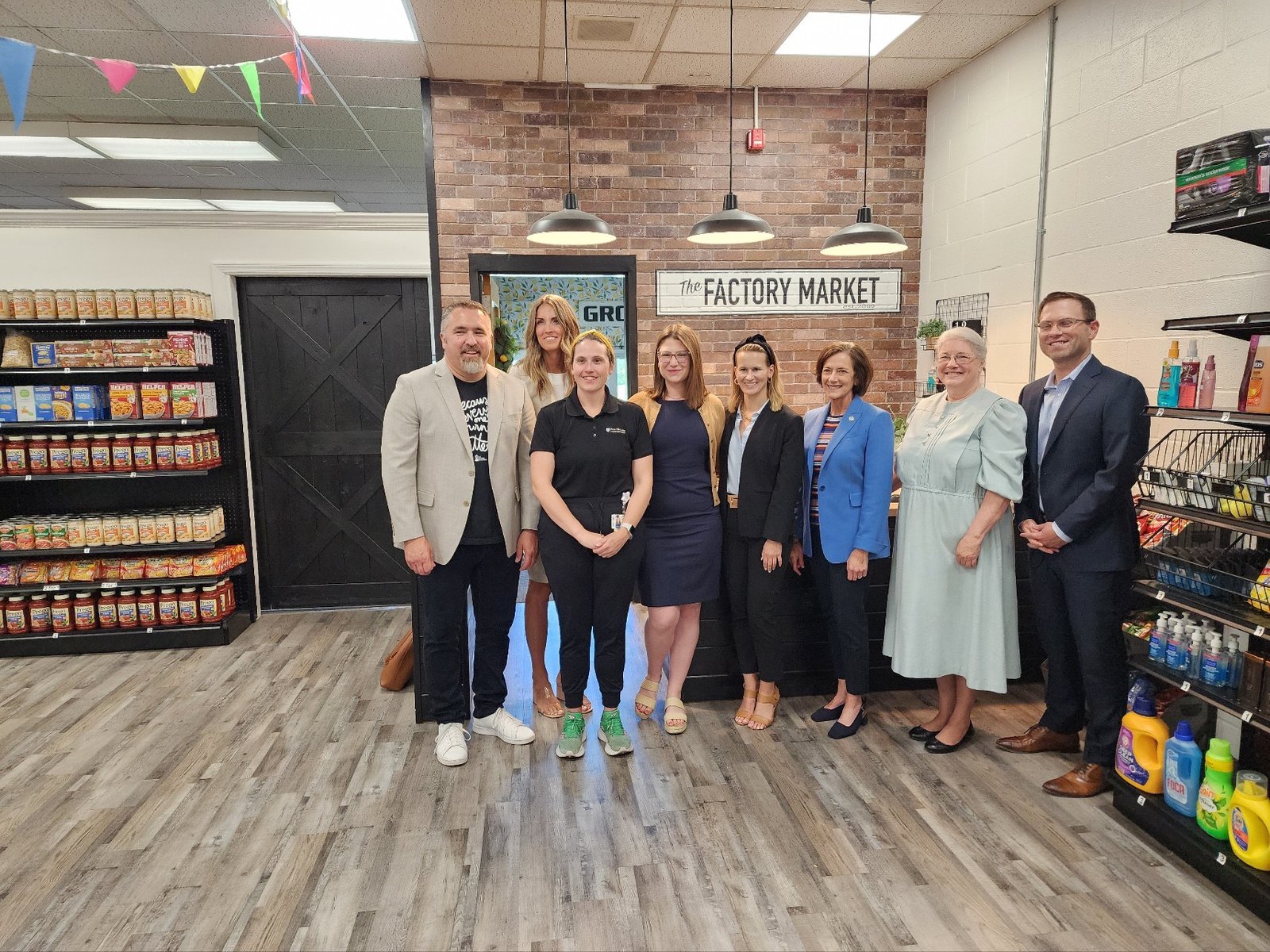
On Wednesday, June 12, Department of Human Services (DHS) Secretary Val Arkoosh visited Factory Ministries, or the “Food Hub,” in Lancaster to explain new investments in Governor Josh Shapiro’s proposed 2024-25 budget. to help Pennsylvanians facing hunger. The Food Hubs are locations of Penn Medicine Lancaster General Health’s Food Pharmacy Program, helping people with both health issues and food insecurity access life-sustaining food. The Governor’s proposal includes the first investment of state funds to increase minimum Supplemental Nutrition Assistance Program (SNAP) benefits for seniors and people with disabilities, while also seeking to bolster programs that support Pennsylvania’s children over the summer.
“As a physician, I have seen firsthand how food can be medicine, especially for people who suffer from or are at risk for chronic health conditions. Not eating or not having access to nutritious food due to cost has direct negative health effects, including higher medical costs and avoidable hospitalizations,” said Secretary Arkoosh. “Governor Shapiro’s budget aims to invest in the health and dignity of seniors, people with disabilities, and young Pennsylvanians by increasing SNAP minimum benefits and providing meals for students over the summer.”
Seniors and people with disabilities are more susceptible to chronic diseases like diabetes and high blood pressure that are exacerbated by poor nutrition, leading to poor health and increased health care costs. Governor Shapiro’s budget proposal includes an investment of state funds to expand this health insurance, a critical lifeline for some of Pennsylvania’s most vulnerable residents. The proposed $16 million would increase minimum monthly benefits for seniors and people with disabilities by more than 50%, from $23 to $35. If passed, this would be Pennsylvania’s first direct investment of state funds and could help more than 100,000 people cover the rising cost of groceries.
Additionally, the budget allocates $3 million in state funding to help ease the burden on Pennsylvania parents during the summer. Free and reduced-price meals during the school year provide students with important nutrition and help them learn. However, those same students often become food insecure during the summer. This year, Pennsylvania opted into the new Summer Electronic Benefits Transfer program, also known as SUN Bucks or Summer EBT. This federal program allows the state to provide SNAP-like nutrition benefits during the summer to families who receive free or reduced-price meals during the school year. An estimated 1.2 million children in Pennsylvania will be eligible for this new program, which will be funded with federal funds. The proposed funding outlined in the budget would support the program’s operational needs.
The Food Farmacy program at Lancaster General Medical Center, University of Pennsylvania School of Medicine, is an award-winning community outreach initiative that is a great example of innovation. The program integrates healthy food access and nutrition education into care plans for food insecure patients with nutrition-related conditions, such as metabolic syndrome and prediabetes. The program involves LG Health registered dietitians who meet with patients at participating food pantries and provide nutrition counseling as they shop for healthy foods for themselves and their families. The program has been proven to significantly improve health outcomes for low-income patients who have difficulty affording enough healthy food.
“The Food Pharmacy represents an important part of our mission to make Lancaster County healthier, as diet is one of the most important factors in protecting against preventable chronic diseases like heart disease, diabetes and cancer,” said Ashley Lundy, director of community health and wellness for LG Health. “We know that the nutrition counseling services provided in conjunction with the healthy meals this program offers will help patients learn how to implement and improve their overall diet, health and lifestyle.”
Learn more about and apply for SNAP and additional DHS resources for low-income people.
Read the Governor’s full budget proposal.
You might also like

government
Philadelphia expects rent relief to run out within two weeks as it waits for federal funds
Posted on October 2, 2021
Spanish
Your complete guide to major election days in Pa for 2023, including who’s on your ballot, when you voted, how you voted, where you voted, if you voted by mail, and more.
Published on April 23, 2023

government
Reading Parking Authority
Published on April 13, 2017
government
Treasury Secretary Stacey Garrity’s decision to invest more Palestinian Authority funds in Israeli bonds draws protests and Democratic opposition
Published on February 16, 2024
