

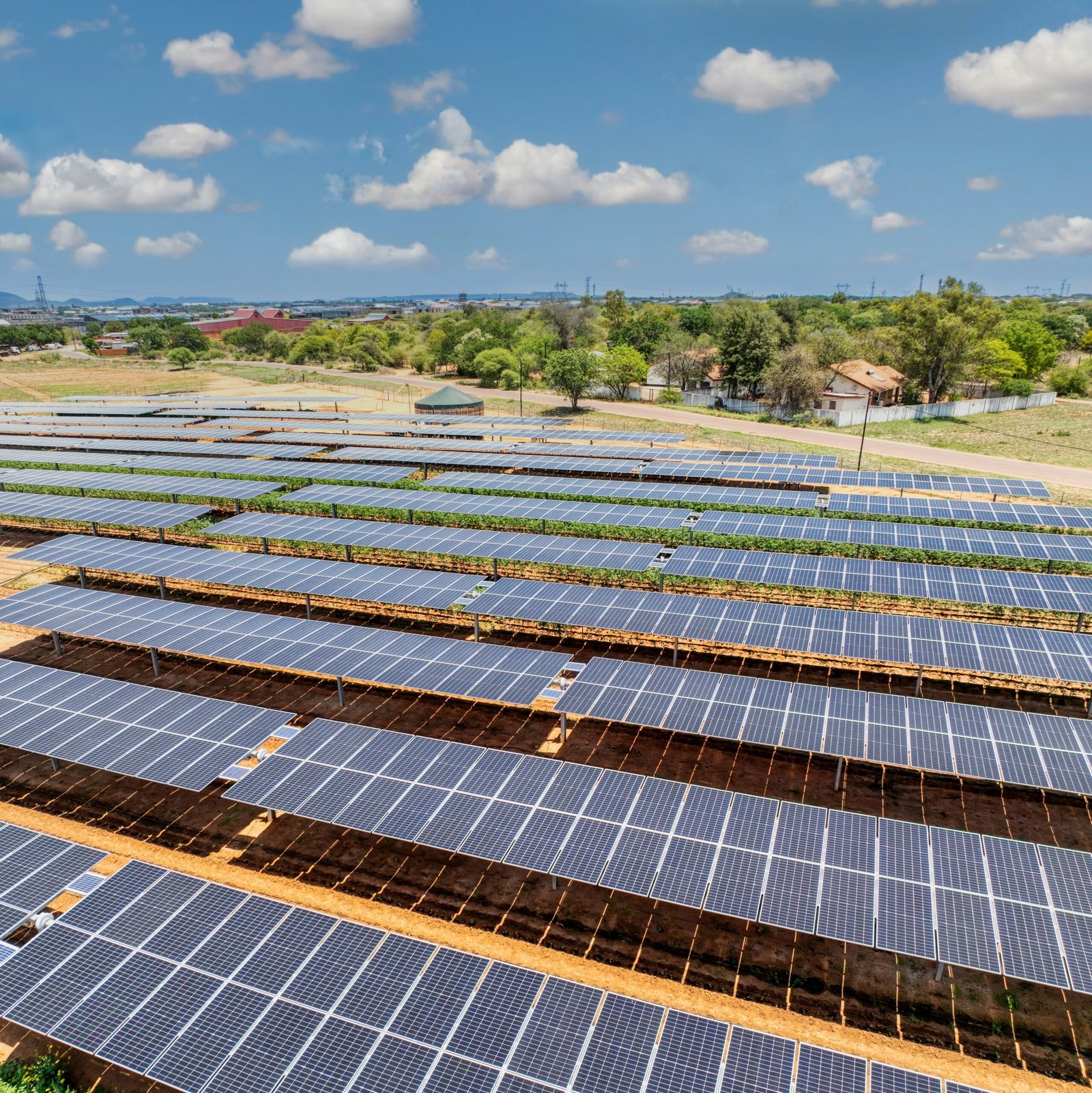
The IEA report, which supports the new G7 effort, outlines the major energy investments needed to achieve Africa’s energy and climate goals and how they can be financed.
Meeting Africa’s growing energy needs requires a surge in spending on clean energy projects and rapid action to address financial barriers to achieving the necessary levels of investment, according to a new International Energy Agency (IEA) report.
Reports, Clean Energy Investments for Africa’s Developmentsupports the flagship initiative announced by the Italian G7 Presidency at its summit in Puglia today. Called “Energy for Africa’s Growth”, the initiative aims to foster a strong pipeline of bankable clean energy projects in Africa, with a focus on technical assistance and capacity building, and to improve access to financing to bring projects to fruition.
The IEA will be a key knowledge partner for the initiative and will work with the United Nations Development Programme, which will focus on implementation. Energy for Africa’s Growth complements existing initiatives among G7 countries, such as the Global Infrastructure Investment Partnership (PGII), the Global Gateway and the Just Energy Transition Partnership, and will initially work with the Republic of Congo, Côte d’Ivoire, Ethiopia, Kenya, Mozambique, Nigeria and South Africa.
Clean Energy Investments for Africa’s Development It highlights the opportunities and challenges to accelerate the sustainable development of Africa’s energy infrastructure. Despite the continent’s vast energy resources, it currently accounts for only about 3% of global energy spending. Approximately 600 million Africans still lack access to electricity, and more than 1 billion cook their food over open fires or traditional stoves using wood, charcoal, kerosene, coal or animal waste.
According to the report, to meet Africa’s growing energy needs and achieve the energy access, climate and development goals set by governments in the region, annual energy investment needs to more than double to more than $240 billion by 2030, with about three-quarters of it going to clean energy. The report outlines key target areas for investment, including energy access, the power sector and emerging industries such as manufacturing of critical minerals and clean energy technologies.
The report also highlights strategies to enhance financing of energy investments in Africa, which remains challenging due to higher risks and rising borrowing costs compared to other parts of the world. In emerging and developing countries, capital costs can be two to three times higher than in developed countries. Concessional financing is therefore key to unlocking financing, especially from the private sector, the report stresses. According to IEA analysis, Africa’s energy systems require an average of $30 billion in concessional financing annually by 2030 to deliver a triple increase in private sector investment needed over that period.
“The lack of access to energy in Africa is a huge injustice, but increased spending on impactful projects could quickly turn the tide.” IEA Executive Director Fatih Birol “Our new report outlines the immediate investment priorities and financing mechanisms needed to fast-track these projects. I am pleased that this issue is high on the G7 agenda, and we stand ready to work closely with partners in Africa and beyond to translate commitments into action, including through the G7 Energy for African Growth initiative.”
The IEA has been working on energy and climate issues in Africa for decades. It currently has five African members – Egypt, Kenya, Morocco, Senegal and South Africa – and is working with many more on a wide range of energy issues. In May, the IEA and its partners hosted the first-ever high-level summit on clean cooking in Africa, mobilizing $2.2 billion in funding from governments and the private sector to make 2024 a turning point for access to clean cooking.
