

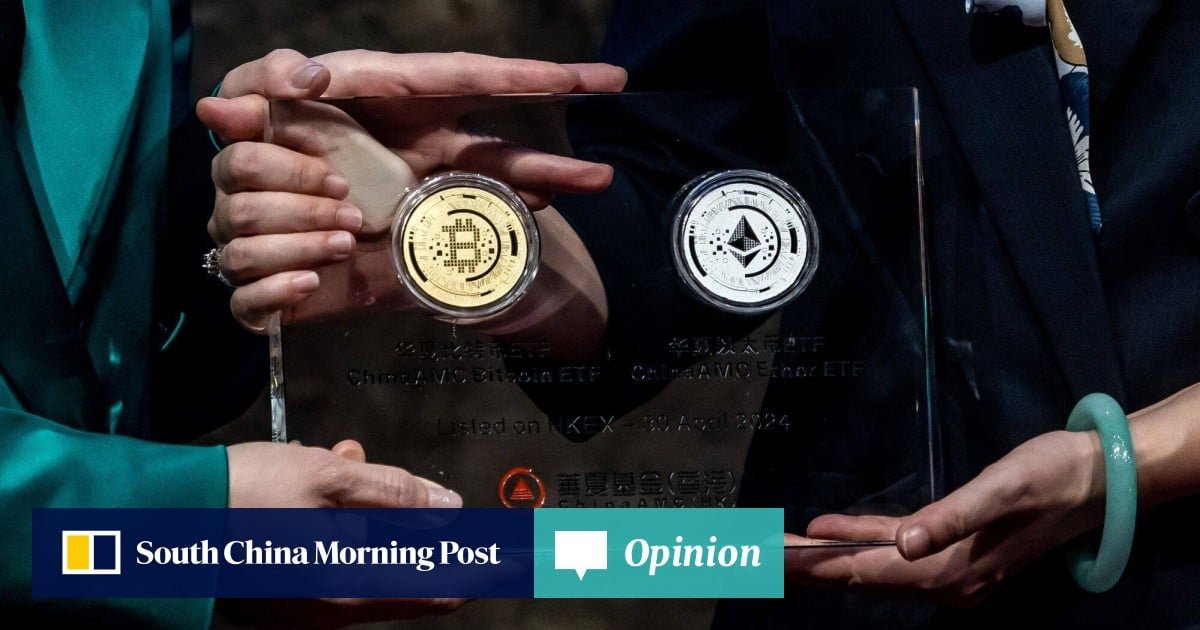
For those unfamiliar with cryptocurrencies, this marks a major milestone for Asia and the world, paving the way for crypto adoption and investment, moving the asset class from niche to mainstream. The US allowed a spot Bitcoin ETF in January, but only recently approved a spot Ethereum ETF listing application, meaning a second round of approval is required before the product can begin trading. The US decision on the Ethereum ETF comes one month after Hong Kong became the first in the world to do so.
Hong Kong’s first-mover advantage, coupled with its progressive regulatory framework, is likely to attract a new wave of fintech activity and talent to the region. These measures are propelling Hong Kong as a global digital asset hub.
Hong Kong is already planning to maintain its edge over the U.S. by considering strategic ways to continue to develop as a cryptocurrency hub. Hong Kong could do this by approving advanced financial products before the U.S. For example, Hong Kong could allow yield-earning options such as staking on Ethereum ETFs.
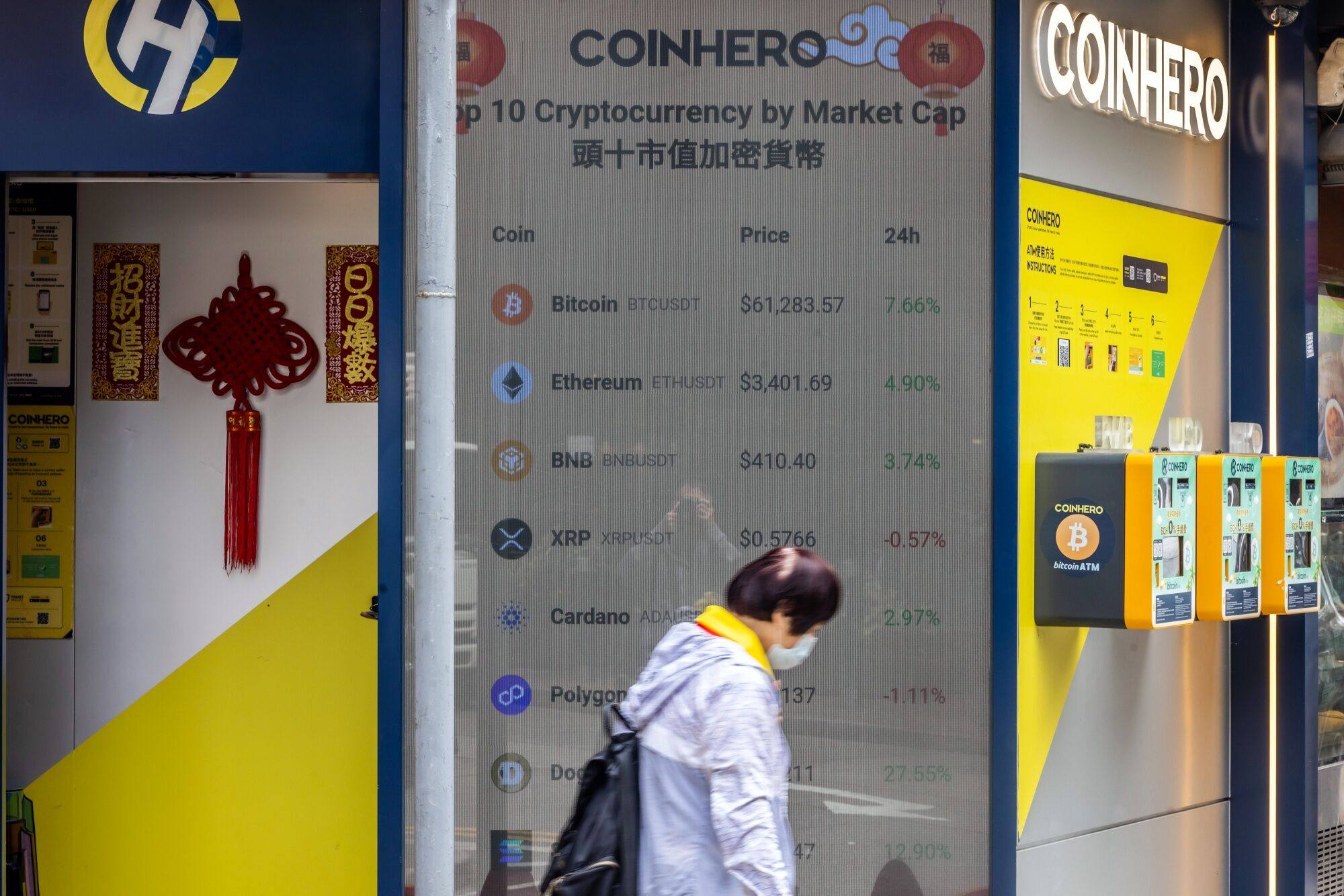
Staking, which involves locking cryptocurrency tokens into a blockchain network for a set period of time to earn rewards, may be slow to approve the practice in the U.S. Hong Kong’s progressive stance would not only be a regulatory success, but also an indirect endorsement of the potential of decentralized finance, a momentum that could attract fintech investments to the region.
Hong Kong is also becoming one of the major cryptocurrency conference locations, attracting overseas investment from venture capitalists to local cryptocurrency startups. The 2023 Web3 Festival attracted 50,000 attendees, including many investors from around the world. These events, sometimes called “crypto tourism,” are attracting high-income earners to Hong Kong and boosting the local economy through their spending and investment.
Overall, Hong Kong is showing the world that it can reasonably regulate cryptocurrencies while maintaining an innovative environment. This could have implications for Hong Kong’s broader financial situation. Such regulatory clarity could attract more startups and incumbents, especially if crypto startups relocate from the U.S. in search of a friendlier environment that supports growth and innovation.
Furthermore, this regulated environment will provide reassurance to investors from around the world and enhance Hong Kong’s reputation as a safe and innovative financial hub, potentially encouraging investment and job creation in related sectors and stimulating further economic growth.
Developments in the crypto sector could help ease Hong Kong’s talent shortage, which is plagued by nearly three-quarters of Hong Kong’s employers, a situation that will be exacerbated by a 1.6% population decline by mid-2022. Hong Kong’s ageing population, with the number of people over 65 expected to reach 30% by 2040, could exacerbate the problem.
While Hong Kong’s emergence as a crypto hub in Asia is not guaranteed, it is well supported by a progressive regulatory environment. Challenges such as red tape and talent shortages in other jurisdictions remain, but a dynamic crypto sector has the potential to attract and retain top talent. The recent US decision regarding the Ethereum ETF highlights the growing adoption of crypto assets, making it even more important for Hong Kong to remain competitive.
As global institutions seek transparency and innovation, Hong Kong stands out as an ideal place to set up business. With its strategic initiatives, Hong Kong is poised to lead the development of its financial industry and attract both businesses and professionals to the city.
Danny Chong is the CEO and co-founder of Tranches, a decentralized, yield-enhancing asset tracking and management protocol.
