


The first is a related investment of US$20 billion to improve port infrastructure. The second is an effort to revive the moribund U.S. shipbuilding industry. This effort smells like tipping windmills. But they are also wary of China’s overwhelming dominance in shipping and logistics.
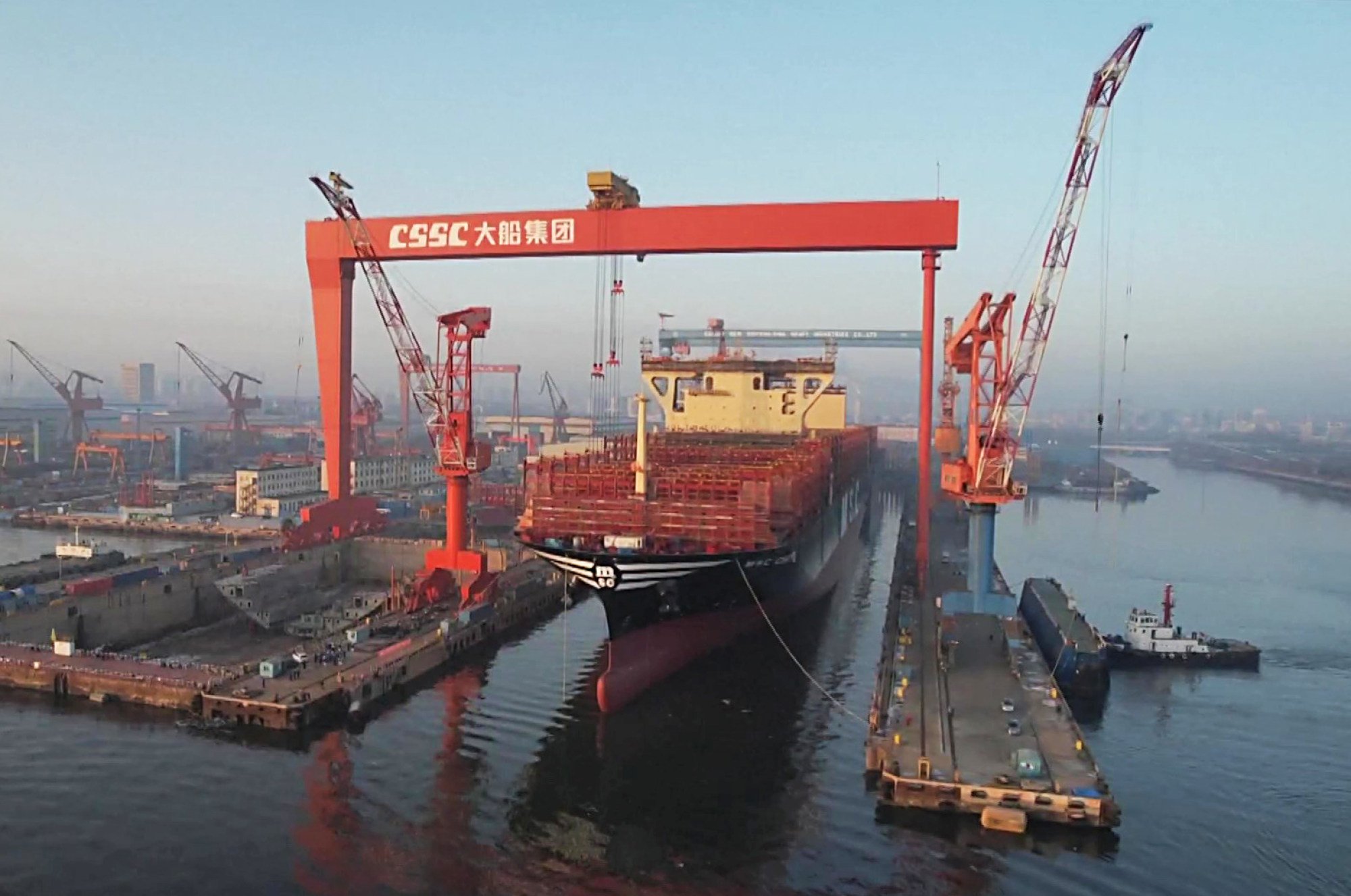
Given that China has accounted for nearly half of the world’s new shipbuilding in recent years, how can the United States maintain global trade if it bans Chinese-built ships? And how many decades will it take for the United States to build up enough shipbuilding facilities to show any signs of self-reliance?
For example, an estimated 95 percent or more of the world’s shipping containers are manufactured in China. Is the US considering banning Chinese containers?
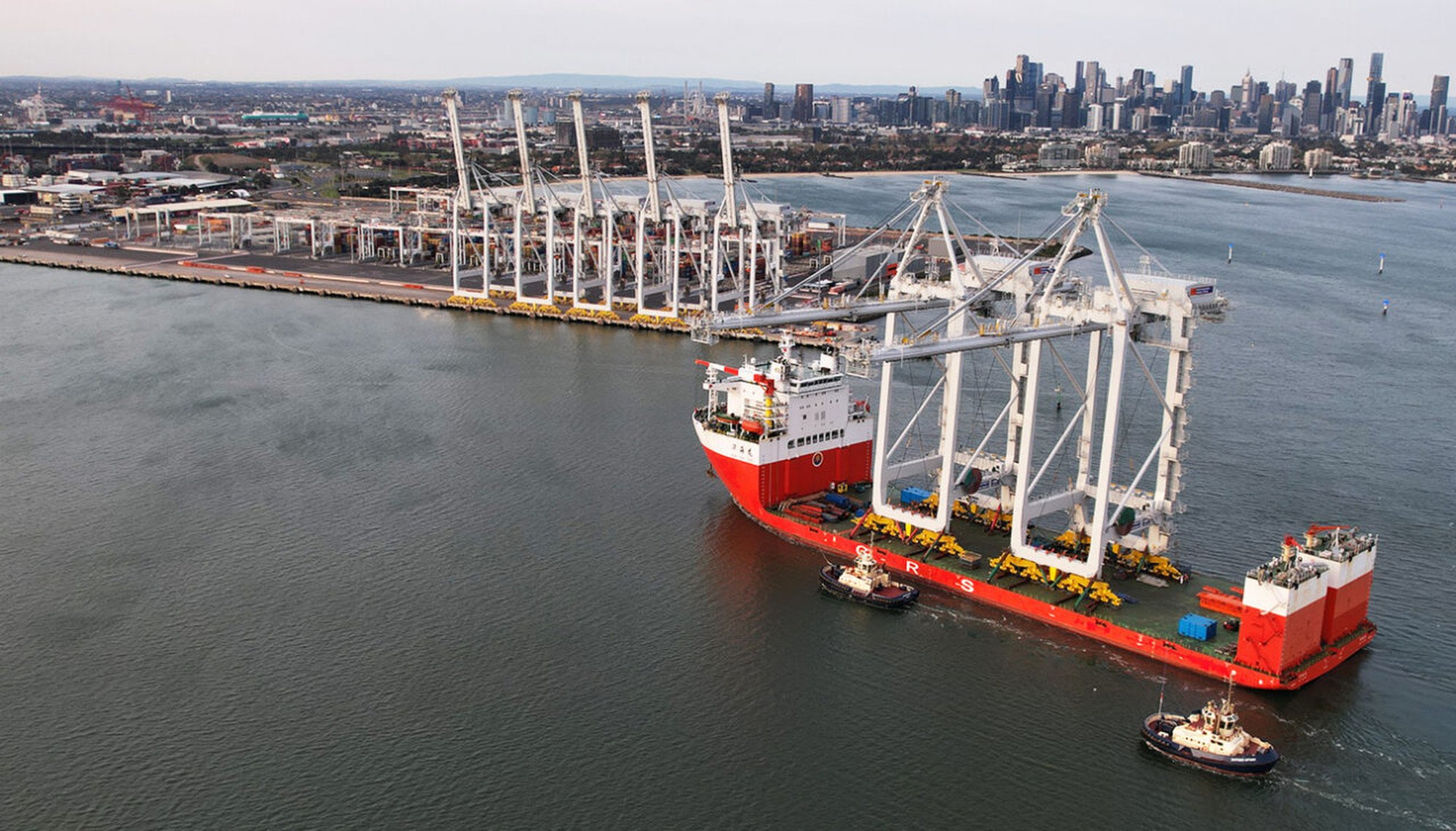
But for the United States, Logink is a serious threat. “With the installation and utilization of his Logink in critical port infrastructure, [People’s Republic of China] accessing and/or collecting sensitive logistics data,” the Transport and Maritime Administration warned.
The relevance to national security threats is simple. The United States has an estimated 170,000 troops stationed at about 750 bases around the world, and most of its military equipment, supplies and fuel are transported by sea on contracted cargo ships. In theory, much of this movement could be tracked using Logink.
Perhaps this explains why the White House statement accompanying the Biden executive order said, “The security of our nation’s critical infrastructure remains a national imperative in an increasingly complex threat environment.” .

China’s array of threats to national security is unlikely to go away. China’s shipyards have orders for about 140 million deadweight tons, which will take about three years to complete, according to the Ministry of Industry and Information Technology.
With the global shipping industry pledging to ‘decarbonise’ the world’s fleet by 2050, with more than 98 per cent of this fleet running on fossil fuels, demand for new clean vessels will soar It is expected that it will.
Biden has said he aims to rebuild the U.S. shipbuilding sector, but most experts see this as a pipe dream. Not only does it take decades to build shipbuilding capacity, but after decades of neglect, the U.S. lacks marine engineers and architects.
Concerns about China’s dominance in many areas are legitimate concerns, as are concerns about “risk aversion” and ensuring economic resilience. But America’s Sinophobia is more of a hindrance than a help, and paranoia powerfully feeds on itself, so it could take a long time for change to occur.
David Dodwell is CEO of Strategic Access, a trade policy and international relations consultancy focused on the developments and challenges faced by the Asia-Pacific region over the past 40 years.
