

The poultry industry in South and Southeast Asia is near the top of the wish list for investors who see a bright future for the region’s poultry industry.
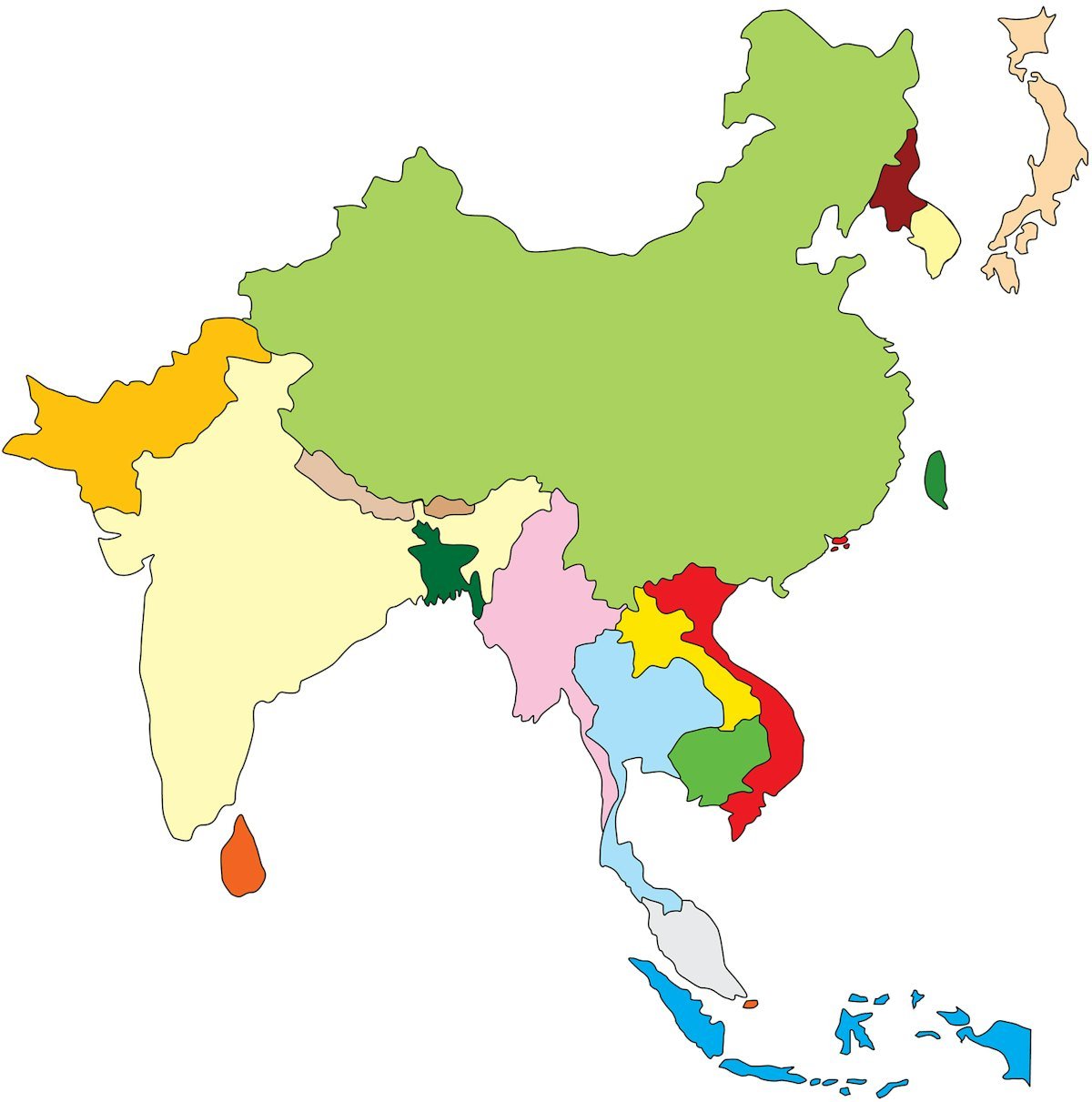
In its recently released report “Capturing Investment Opportunities in Asia’s Poultry Supply Chain”, Rabobank forecasts growth in Asia’s poultry sector. Based on data from the United States Department of Agriculture (USDA), the United Nations Food and Agriculture Organization (FAO), and more local sources, Rabobank predicted that 55% of global poultry industry growth will be based in Asia . Of this, 14% will be in South Asia and a further 14% in Southeast Asia.
More specifically, Rabobank predicts an increase in poultry production in the countries of India, Indonesia and Pakistan. Rabobank expects poultry production in India to increase by 1.8 tonnes between 2023 and 2030, and by 1 tonnes in Indonesia and Pakistan.
Rabobank identified three reasons why this expected growth makes investing in the poultry sector so attractive. they are:
Population growth
South and Southeast Asia is expected to account for approximately 45% of global population growth by 2030. About 75% of that increase is expected to be in India, Pakistan and Bangladesh, citing figures from the United Nations Population Division.
economic growth
The International Monetary Fund projects annual gross domestic product (GDP) growth for Southeast Asian countries from now until 2028, which will likely mean further increases in purchasing power. Rabobank expects that as purchasing power increases, purchases of animal protein products will also increase.
Changing consumer preferences
According to the report, Asian consumers are more likely to choose chicken or seafood as their source of animal protein. Currently, seafood accounts for approximately 50% of total animal protein consumption, and poultry accounts for 25%. However, Rabobank said consumers are increasingly choosing poultry. Consumers are turning to chicken because of its price advantages, health benefits, taste, convenience, and availability. The pig industry’s struggle with African swine fever (ASF) is another reason for the increased demand for poultry.
